
A Message From Porter & Company
If you have a feeling in the pit of your stomach that something serious has started to go wrong in America, you’re not imagining it.
I’m not talking about Nvidia’s stock crash, or the wave of cyberattacks hitting the headlines. I’m talking about something far more fundamental to our way of life.
The government tells you the economy is doing fine. But you know as well as I do, it doesn’t feel fine.
The cost of living is always rising, the country is more and more divided, and there’s an anger building that seems to have nowhere to go.
I’ve spent more than 30 years studying the economy and the financial markets, and I’ve never felt pressure like this. It’s as if the foundations beneath our way of life have cracked, and something enormous is forcing its way through.
Most people can’t put a name to it yet. But they feel it in their gut, just like you do.
One Nobel Prize winner has warned that the strange force causing this feeling threatens to divide America. And it’s tearing through our country far faster than anyone realizes.
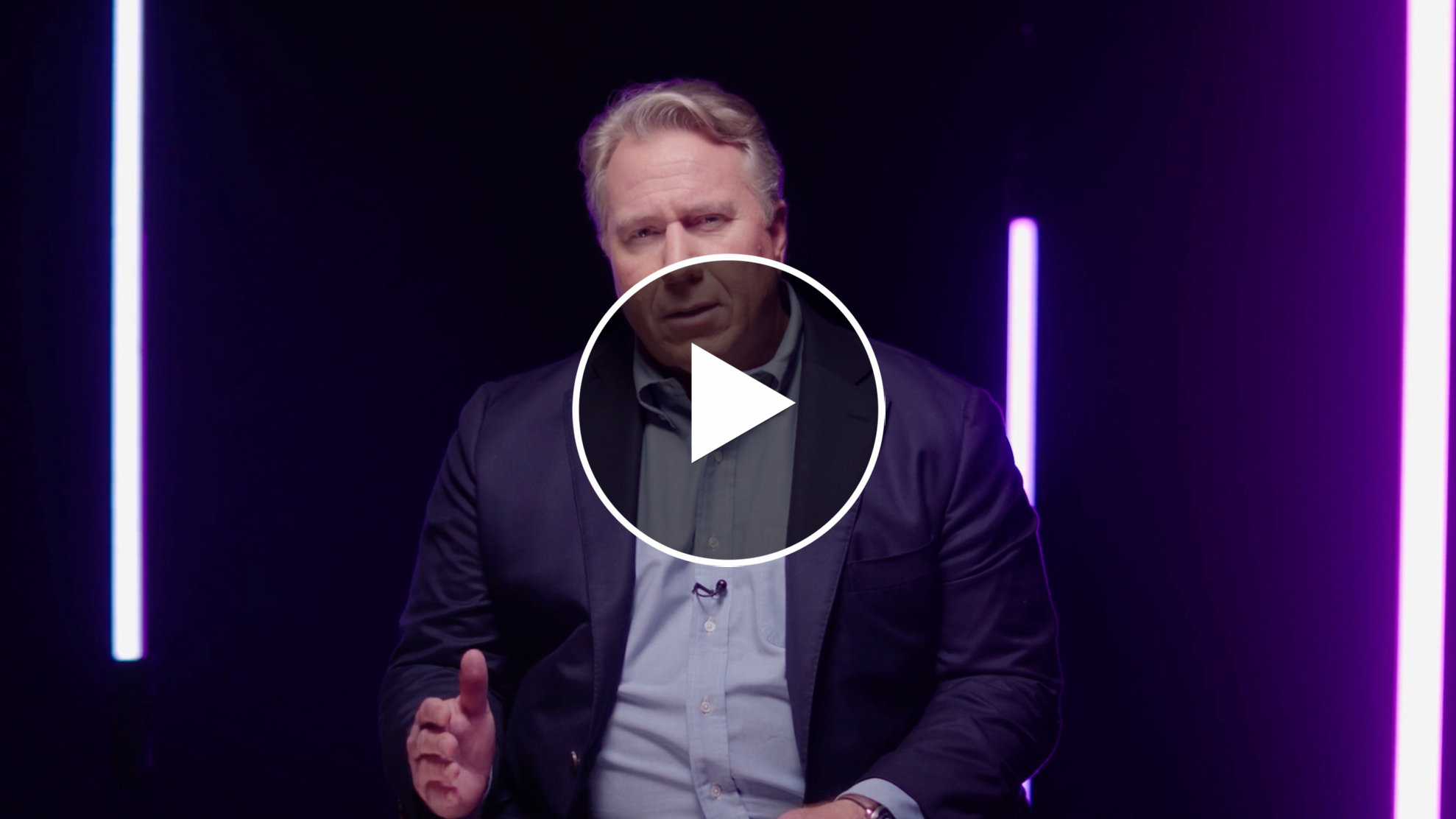
In my documentary, I show you exactly what it is, and what I believe you can do about it now – before it’s too late.
Watch The Final Displacement here.
Good investing,
Porter Stansberry
Today's Bonus Article
3 Dividend ETFs Offering Steadier Footing in a Shaky Market
By Ryan Hasson. Published: 11/20/2026.

Key Points
- Dividend-focused ETFs have held up better than the broader market during the recent sell-off, offering investors a way to maintain equity exposure.
- SCHD and LVHI offer lower volatility and dividend income, although LVHI carries higher expenses.
- VYM provides broad diversification and low fees, but its substantial Broadcom holding leaves some exposure to the technology sector.
- Special Report: The real reason Trump wanted Jensen back
Over the past month, the SPDR S&P 500 ETF Trust (NYSEARCA: SPY) has fallen nearly 5%, while the tech-heavy Invesco QQQ Trust (NASDAQ: QQQ) has dropped about 8%, as the sell-off in AI and semiconductor stocks spilled over into the broader market.
For more conservative investors, the instinct in moments like this may be to step aside entirely. But exiting the market risks missing a rebound when sentiment eventually turns. A middle ground may be to rotate a portion of capital into funds designed to absorb less market turbulence, allowing investors to stay invested while dialing down overall volatility.
With the 10-year Treasury yield sitting just above 5%, investors seeking income alone can currently earn more, with less credit risk, from government bonds than from any of the funds below. The case for these three ETFs, then, is stability first: they maintain stock market exposure, while dividends serve as a supporting benefit rather than the main attraction.
Schwab U.S. Dividend Equity ETF: Quality Screens and a Defensive Tilt
The Schwab U.S. Dividend Equity ETF (NYSEARCA: SCHD) tracks the Dow Jones U.S. Dividend 100 Index, which screens companies using measures such as cash flow, return on equity, and dividend growth history.
The result is a portfolio of about 100 mature, cash-generative businesses. Its largest positions include Procter & Gamble (NYSE: PG), Coca-Cola (NYSE: KO), and Chevron (NYSE: CVX).
That composition has translated into steadier price action. SCHD has a beta of 0.68 and has held roughly flat over the past month, even as the S&P 500 slid.
It remains up more than 26% year to date and sits less than 5% below its 52-week high.
With annual expenses of just 0.06%, it is one of the cheapest funds in its category and yields about 3%.
Its top 10 holdings, however, account for roughly 41% of assets, making the fund more concentrated than its holding count might suggest.
Franklin International Low Volatility High Dividend Index ETF: The Lowest Volatility of the Group
The Franklin International Low Volatility High Dividend Index ETF (BATS: LVHI) takes a different approach by investing outside the U.S.
The fund selects dividend-paying stocks across developed international markets, then gives greater weight to those with lower volatility.
Canada, Japan, and the United Kingdom are its largest country exposures. Shell (NYSE: SHEL) and Unilever (NYSE: UL) are among its top holdings.
The fund hedges its currency exposure back to the U.S. dollar, helping reduce the foreign exchange swings that can add volatility to international funds. It also has a beta of just 0.34, the lowest of the three.
That steadiness has been evident recently: the fund has been essentially flat over the past month and is about 3.5% below its 52-week high.
LVHI offers the highest dividend yield of the group, at nearly 5%. The trade-off is cost: its expense ratio is 0.40%, and its portfolio is heavily weighted toward financials and energy, which together make up more than 40% of assets.
Vanguard High Dividend Yield ETF: Broad Diversification at a Low Cost
The Vanguard High Dividend Yield ETF (NYSEARCA: VYM) takes the broadest approach of the three.
It tracks the FTSE High Dividend Yield Index and holds roughly 600 U.S. companies that pay above-average dividends. Its top 10 positions account for only about a quarter of assets.
VYM has also held up well, remaining roughly flat over the past month compared with the S&P 500’s nearly 5% decline. It trades less than 5% below its 52-week high.
Its 0.04% expense ratio is the lowest of the group, and its beta of 0.73 points to noticeably less volatility than the broader market.
VYM is not entirely insulated from the AI trade.
Broadcom (NASDAQ: AVGO) is its largest holding, at nearly 7% of assets, alongside JPMorgan Chase (NYSE: JPM) and Exxon Mobil (NYSE: XOM). Its 2.3% yield is also the lowest of the three.
Staying in the Market Without the Full Ride
None of these funds will escape a broad market decline, and they are likely to lag during tech-led rallies. With Treasuries paying more, they are also not the answer for investors focused solely on income.
These funds can help investors stay invested while softening the impact of market swings. Each has held up considerably better than the S&P 500 during the recent turbulence and sits within 5% of its 52-week high. For investors weighing whether to sit on the sidelines or ride out the uncertainty, rotating a portion of capital into funds like these offers a measured alternative to an all-or-nothing decision.
. |


Tidak ada komentar:
Posting Komentar