| Introducing: The Big Short 2.0  Dear Money & Crisis Reader, Dear Money & Crisis Reader,
The Everything Bubble has burst. The next crisis is fast approaching. 2008 was just the warmup. During the 2008 crisis, the Fed did three things: - Cut interest rates to zero, making credit all but free for banks.
- Implemented large quantitative easing (QE) programs through which it printed $3.5+ trillion in new money to buy assets from large financial institutions, primarily mortgage-backed securities and U.S. government debt, also called Treasuries.
- Urged the Financial Accounting Standards Board (FASB) to abandon "market to market" valuations for banks, thereby allowing the banks to value the debts on their balance sheet at "make believe" prices.
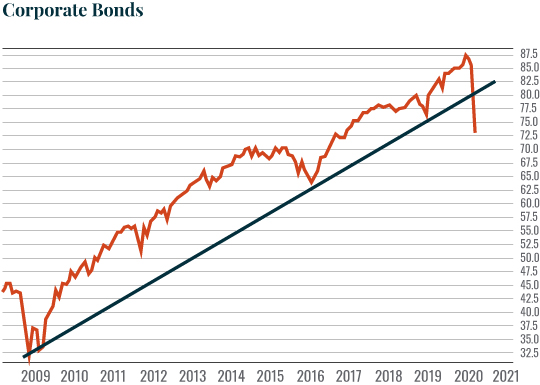
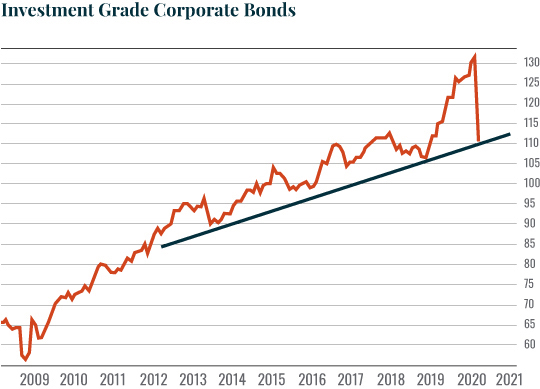
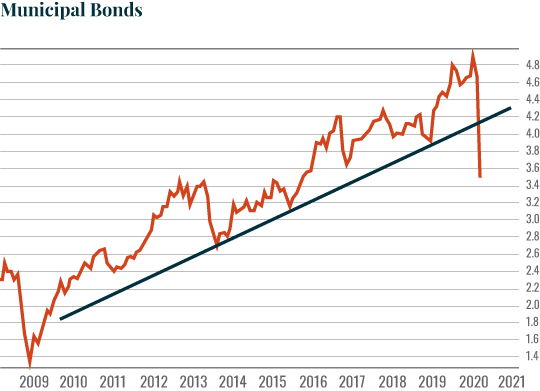
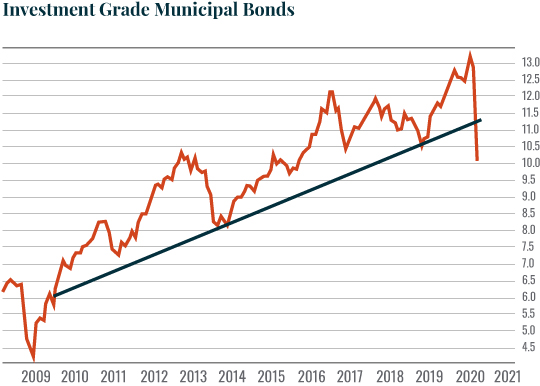
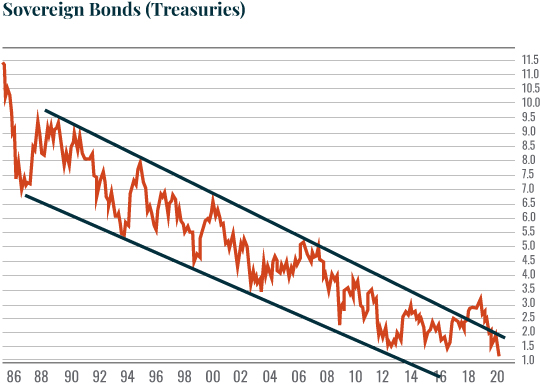
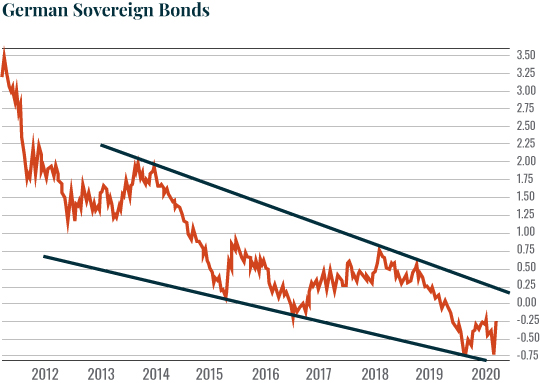
Combined, these three policies – particularly the first and second – created a bubble in U.S. Treasuries, forcing yields to extraordinary lows. Allow me to explain why that matters. The Bedrock of the Financial System Treasuries are the bedrock of the global financial system. Their yields represent the "risk free" rate of return – the rate against which all risk assets (stocks, commodities, real estate, etc.) are priced. So when the Fed created a bubble in Treasuries, it created a bubble in EVERYTHING. The entire financial system became mispriced based on a false risk profile. Every asset class in the world trades based on the pricing of bonds. So the fact that bonds are in a bubble (arguably the biggest bubble in financial history), means that EVERY asset class is in a bubble. I am focusing on the Fed here, but the same policies played out in every major financial system. The Largest Financial Bubble in History The European Central Bank (ECB) employed the same policies in Europe. The Bank of England (BoE) employed the same policies in the UK. And the Bank of Japan (BoJ), which had already been doing both a zero-interest rate policy (ZIRP) and QE since 2000, took these polices to even greater extremes. The end result? Central bankers created the BIGGEST, most egregious bubble in financial history. A $250 TRILLION debt bomb… with another $500+ trillion in derivatives trading based on its yields. To put this into perspective, the Tech Bubble was about $15 trillion in size. The Housing Bubble, which triggered the 2008 Crisis, was about $30 trillion in size. The bond bubble is over $250 TRILLION in size. Some $50 trillion of this is in sovereign debt, with the rest coming from corporate debt, mortgages, auto loans, credit cards, and the like. This mountain of debt is categorized based its riskiness. Not all debt is equal, since different borrowers have different levels of risk of default. For instance, an oil shale company that needs oil to trade at $60 per barrel is at much greater risk of default than a sovereign nation like the U.S. For simplicities sake, we're going to ignore auto-loans, student debt, and credit card debt to focus on the truly systemically important debt: Corporate, municipal, and sovereign/national debt. | 




 To end your Money & Crisis e-mail subscription and associated external offers sent from Money & Crisis,

Tidak ada komentar:
Posting Komentar