| |
| |
About 1,200 kilometers above you, a group of satellites is changing owners. You will not feel it. Your iPhone will not buzz. But the plumbing that keeps your device alive—when every cell tower goes dark—just shifted hands. |
This week, Amazon said it would buy Globalstar for $11.57 billion. Globalstar powers Apple's emergency and messaging features from orbit. As part of the deal, Apple and Amazon signed a long-term pact. Amazon Leo—once called Project Kuiper—will serve as the main satellite backbone for iPhones and Apple Watches going forward. The deal should close in 2027, pending regulators. |
Here is what we see: not a tech headline, but a regime change in how mobile links get built, owned, and sold from space. |
|
|
|
| |
|
| |
| |
The Architecture Beneath the Signal |
To grasp why this matters, look past the press release. Look into the wiring. |
Since 2022, every iPhone from the 14 line onward has carried special antennas and custom modems. These parts talk to Globalstar's low-Earth orbit satellites. They power Emergency SOS, messaging, roadside help, and Find My—all when cell and Wi-Fi drop out. Apple first offered these features free for two years. Then it kept extending the benefit as a quiet way to hold users close. |
Globalstar was never a consumer brand. It was invisible scaffolding. The kind you only notice when it breaks. Now Amazon owns it—or will, once regulators approve. |
Under the new deal, Amazon Leo will keep serving every Globalstar-linked iPhone and Apple Watch. It will also work with Apple on future satellite services. Amazon exec Ricky Freeman put it simply: "Apple customers are already connected out of cell range. They'll do that with Amazon Leo satellites in the future." Starting in 2028, Amazon plans to launch its own next-gen direct-to-device system. It promises faster speeds and better use of spectrum than older designs. |
This is not a pivot away from satellite links. It is a folding of the orbital layer into fewer, larger hands. Amazon gets Apple's device base as a locked-in customer. Apple gets a well-funded partner without building its own fleet. The quiet exchange happened in a boardroom, not on a launchpad. |
|
|
|
|
|
| |
|
| |
| |
Starlink's Loss, and What It Reveals |
Many expected Apple to deepen its ties with SpaceX's Starlink. That did not happen. Instead, Apple locked in its future with Amazon—the company that also runs the logistics backbone for half the internet's commerce. |
This matters because Starlink and Amazon Leo reach your phone in very different ways. Starlink's Direct to Cell system sends standard LTE signals on bands licensed to carriers like T-Mobile. No special hardware is needed. Any modern 4G iPhone—including the iPhone 13 series via iOS 18.5—can connect. The tradeoff? It depends on carrier deals. In markets like Argentina, where no local carrier has signed with Starlink as of April 2026, the service simply does not exist. |
Apple's path with Globalstar—and now Amazon Leo—is a closed system. It needs purpose-built parts inside the device, but it works without carrier deals. Apple controls the full experience. The result is a clear split: |
- Starlink's model: Open, carrier-based, works on existing phones. It scales through telecom deals. It now reaches over 1.7 billion people across six continents via 650 LEO satellites. |
- Amazon Leo's model: Closed, tied to Apple, needs specific hardware. It scales through device sales and one owner of the rails. |
Both models work. But they serve different masters. That gap will shape which companies capture value from the next wave of orbital links. |
|
|
|
|
Sponsored |
Apple’s Starlink Update Sparks Huge Earning Opportunity |
Apple just secretly added Starlink satellite support to iPhones through iOS 18.3. |
One of the biggest potential winners? Mode Mobile. |
Mode’s EarnPhone already reaches 490M+ users that have earned over $1B, and that’s before global satellite coverage. With SpaceX eliminating "dead zones" worldwide, Mode's earning technology can now reach billions more in unbanked and rural populations worldwide. |
Their global expansion is perfectly timed, and you still have a chance to invest in their potentially pre-IPO offering before it closes. |
59,000+ investors participated in Mode’s previously sold out offering and limited space remains in the current round. |
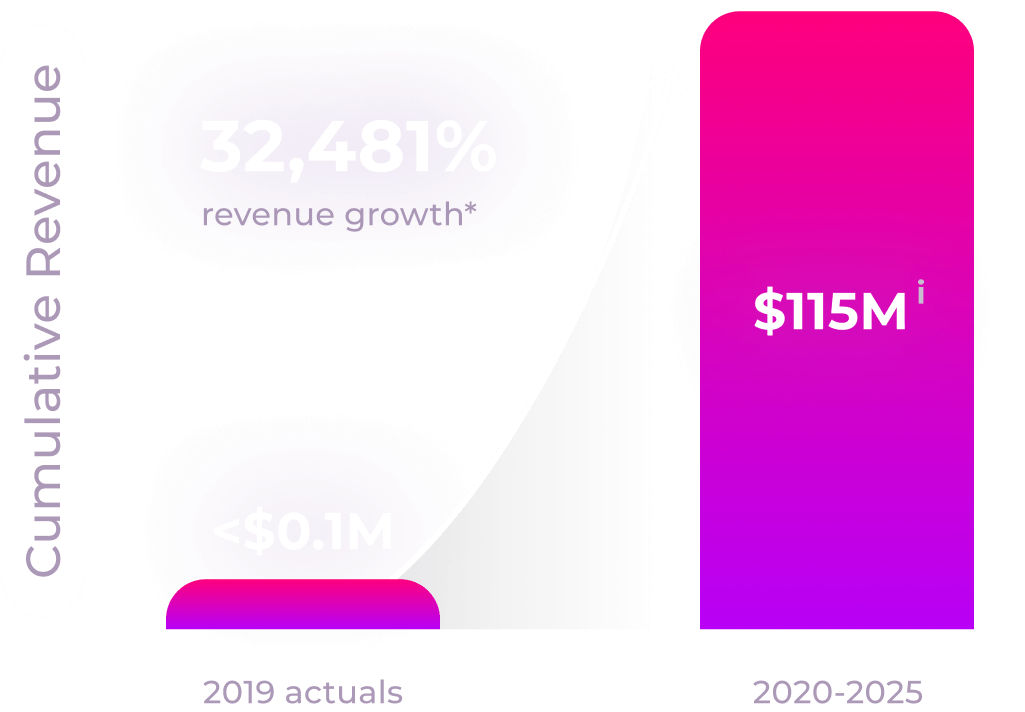
With their recent 32,481% revenue growth and newly reserved Nasdaq ticker, Mode is one step closer to a potential IPO. |
|
|
|
|
|
| |
|
|
|
| |
| |
The Convergence No One Is Pricing In |
Step back. Three signals merge into one structural reality. |
First, Amazon Leo was on track to launch service in five countries—Canada, France, Germany, the UK, and the US—in Q1 2026. That is not a test run—it signals the start of real, revenue-backed infrastructure. Second, the $10.8 billion value Amazon placed on Globalstar shows how it prices orbital spectrum and real hardware. Third, Apple chose to sign a long-term deal with a direct rival to its own cloud goals. That tells you how heavy infrastructure need really weighs. |
The core thesis: satellite links are shifting from an emergency feature to a utility layer. The companies building the rails will define the next decade of mobile economics. Amazon did not buy Globalstar for its brand. It bought licensed spectrum, ties to manufacturer MDA Space, and—most important—a contract lock on every satellite-ready Apple device already in use. |
Think of it as a plumbing deal, not a tech deal. The hum of data moving through orbital relays will soon feel as hidden as the undersea cables that carry your streaming video today. By 2028, Amazon's next-gen system should support voice, data, and messaging far beyond today's emergency-only scope. |
For builders and operators on the ground, the lesson is plain. The value is moving upward—literally—into orbital rails most consumers will never think about. |
|
|
What This Means for You |
If you are an executive, investor, or builder trying to read the signal through the noise, here is the frame that matters. |
For device-ecosystem planners: Apple chose to partner rather than build its own fleet. This confirms a "best available rails" approach. Watch for similar leasing patterns in AR hardware, self-driving cars, and health wearables—anywhere a device needs links beyond ground networks. |
For telecom operators: The Starlink carrier model and the Amazon-Apple closed model will coexist. But they create different margin shapes. Carriers working with Starlink absorb the cost—T-Mobile now offers satellite access as a $10/month add-on or bundles it into premium plans. Carriers outside Amazon's orbit may get squeezed between two satellite giants with no pricing power. |
|
|
For investors: The $11.57 billion Globalstar deal is the clearest price signal yet for orbital spectrum assets. If Amazon values this near $11 billion, the implied price for similar LEO fleets just reset upward. Treat satellite plumbing the way you would have treated cloud plumbing in 2012—quietly vital, often underpriced, and about to become the hidden backbone of everything. |
This is not a story about rockets or rivalries. It is a story about plumbing—orbital plumbing—being rewired while most of the market watches the show. The soft glow of your iPhone screen tonight will not tell you its lifeline just changed hands. But now you know. |
|
|
|
| |
|
 |
|
|
| Mode Mobile |
|
|
|
|
|
|
|
|
|
|
|
Please read the offering circular and related risks at invest.modemobile.com . This is a paid advertisement for Mode Mobile’s Regulation A+ Offering.Mode Mobile recently received their ticker reservation with Nasdaq ($MODE), indicating an intent to IPO in the next 24 months. An intent to IPO is no guarantee that an actual IPO will occur. The Deloitte rankings are based on submitted applications and public company database research, with winners selected based on their fiscal-year revenue growth percentage over a three-year period. |
|
|
|


Tidak ada komentar:
Posting Komentar