Crude rises as Trump threatens more attacks on Kharg Island Trump demands coalition to help reopen the Strait of Hormuz Germany won't provide military support in Iran war Starmer says UK 'working with allies' on plan for the Strait of Hormuz after Trump call Taiwan reported a burst of Chinese military flights into the skies near its main island on Sunday Key UAE port, Fujairah, operations resume after strike Trump threatens to delay XI Summit if China doesn't help with Hormuz Iran's IRGC promised to kill Israeli Prime Minister Benjamin Netanyahu Trump accuses Iran of using AI to spread disinformation Micron to post earnings after the closing bell Wednesday, expecting to report sales more than doubled YoY, driven by AI demand 5 tiny stocks about to soar (thanks to Elon)* (ad)
| | You've probably seen the headlines over the weekend. | Kharg Island, the Persian Gulf hub that handles about 90% of Iran's oil exports, was hit by U.S. strikes Friday night. | Brent crude crossed $105. | The S&P 500 finished last week at its lowest close of 2026. Gold is sitting just above $5,000. And now the Fed meets Wednesday with oil prices screaming higher and no ceasefire anywhere in sight. | Here's what we know, what it means for markets, and what's worth watching this week. | No fluff, no hype, just the key developments and why they matter to you as an investor. | | | | | Day 17: No End in Sight |  | U.S. President Donald Trump speaks to reporters aboard Air Force One, March 15, 2026 (REUTERS/Kevin Lamarque) |
| Key Points: | No ceasefire coming. Iran's FM officially ruled it out this weekend Israel says 3+ more weeks of strikes remain U.S. casualties confirmed; proxy conflict spreading into Iraq
| On Sunday, U.S. and Israeli forces struck Isfahan, killing at least 15 people at a factory. Iran fired multiple ballistic missile barrages at central Israel, and cluster munitions hit Tel Aviv streets. | Here's what we know from the latest reporting: Iran's foreign minister publicly rejected Trump's claim that Tehran "wants to make a deal," calling the ceasefire talk baseless. Israel's military told CNN it's preparing for at least three more weeks of airstrikes, with thousands of targets still remaining. Trump said he's unsure whether Iran's new Supreme Leader Mojtaba Khamenei is even still alive. And the Pentagon confirmed six U.S. service members, including two pilots, died March 12 when their KC-135 tanker crashed over western Iraq. An Iranian proxy claimed responsibility. | In short: this war isn't close to over. | For investors, that matters a lot. Each week this drags on is another week of supply disruption, elevated oil prices, and pressure on the global economy. | Defense sector is one of the few bright spots in 2026, with LMT and NOC up 18% and 16% YTD respectively. | Have you noticed energy costs rising since the war began? | |
| |
| | |
| | | | | This Pre-IPO Stock Is Up 4,000% Already | How do you follow 4,000% valuation growth? By preparing for what's next. | That's what Immersed did, reserving the Nasdaq ticker $IMRS. But the real opportunity for investors is now, before public markets. | | Why? Immersed changed the game in extended reality (XR), developing the Meta Quest store's most popular productivity app. 1.5M people, including Fortune 500 teams, already use it up to 60 hours a week. | But that's not all. Immersed's soon-to-be-released XR headset has 2M more pixels than Apple's Vision Pro for 70% less money. No wonder they're projecting $71M in first-year sales. | And with partnerships in place with Intel and Samsung, investors are taking advantage of this limited-time chance to invest pre-IPO. | Executives and founders from Intel, Facebook, Reddit, and Palantir invested. Don't miss your chance to join them. | Invest Before the Pre-IPO Round Closes | Disclaimer: Immersed is offering securities through the use of an Offering Statement that has been qualified by the Securities and Exchange Commission under Tier II of Regulation A. The valuation is set by the Company and there is currently no public market for the Company's Common Stock. Please read the offering circular and related risks at invest.immersed.com. Nasdaq ticker "IMRS" has been reserved by Immersed and any potential listing is subject to future regulatory approval and market conditions. |
| |
| | |
| | | | | | Brent Above $105. Kharg Island Is Now in Play | | Key Points: | Brent at $105, WTI over $100 highest since 2022 IEA reserve release covers ~20 days of disruption at best Gas at $3.70/gal, up 24% since war began Feb 28
| On Friday, Trump ordered strikes on military assets at Kharg Island, the hub handling roughly 90% of Iran's crude exports. Over the weekend, Trump told NBC the strikes "totally demolished" much of the island and threatened more, saying "we may hit it a few more times just for fun." Iran, for its part, said oil exports were continuing, but warned that any strike on actual oil infrastructure would trigger retaliatory hits on the U.S.-linked energy facilities across the region. | Brent crude closed the weekend above $105 a barrel. WTI topped $100. U.S. gas prices hit $3.70 per gallon on average, up 24% since February 28. | The IEA announced a record 400 million barrel release from strategic reserves. Sounds like a lot. But here's the reality check: the IEA release equals roughly 20 days of normal Strait of Hormuz flow. It can soften the shock, not replace the supply. And it won't reach markets until late March at the earliest, the U.S. SPR alone takes about 13 days to reach consumers. |
| |
| | |
| | | | | | Gulf States Under Fire |  | REUTERS |
| Key Points: | Fujairah (UAE), Saudi Arabia, Qatar, Kuwait all intercepted Iranian attacks this weekend Strait of Hormuz remains largely closed Greece enters conflict; Cyprus attack draws Europe closer to the edge
| Over the weekend, Iran launched coordinated drone and missile attacks across multiple Gulf nations. | Here's the rundown: The UAE's Fujairah bunkering hub, a critical backup oil loading point, caught fire after drone debris struck the facility, temporarily suspending operations. Dubai's defense ministry reported engaging 9 ballistic missiles and 33 drones. Saudi Arabia intercepted 7 drones over Riyadh. Qatar repelled 4 ballistic missiles. Kuwait's Ahmad Al-Jaber Air Base took damage, and their airport radar system was struck. | Fujairah has partially resumed operations but shipping costs and insurance premiums across the Gulf are spiking. And then there's Greece, which deployed frigates and F-16s to defend Cyprus after an attack drew that country into the conflict. | The Strait of Hormuz remains largely closed to commercial traffic. | Iran's ambassador to India said some Indian vessels have been allowed through, but that's selective. The strait is essentially functioning as a tool of war rather than a trade corridor right now. |
| |
| | |
| | | | | | S&P 500 Posts Its 2026 Low | | Key Points: | S&P 500 at 2026 low, down 7.3% YTD as of Friday Bonds & stocks falling together: stagflation signal Sunday futures up nearly 0.5%, FOMC and Nvidia GTC spark cautious hope
| The S&P 500 posted its lowest close of 2026 on Friday, finishing the week down 1.6%. The Dow shed roughly 2%, the Nasdaq dropped 1.3%. The Russell 2000 fell 3%, the worst of the major indexes. | And here's something worth paying attention to: bonds and stocks fell together. Normally, when stocks drop, investors run to bonds for safety. But rising oil prices are pushing Treasury yields higher, which hurts bonds too. That's a stagflation signal, the same one we saw in 2022. Higher inflation and slower growth at the same time is one of the hardest environments for investors to navigate. | Ed Yardeni noted that Wall Street analysts haven't fully adjusted their earnings estimates for 2026 and 2027 yet. That could mean another leg down if corporate earnings guidance gets revised lower. | Sunday evening brought a bit of relief. S&P 500 futures rose 0.5%, Dow futures +0.45%, Nasdaq up 0.55%, driven by optimism ahead of the FOMC meeting and Nvidia's big GTC event. | The few bright spots: energy stocks like ExxonMobil and Chevron, and defense names like Northrop Grumman and Lockheed Martin. | University of Michigan consumer sentiment dropped to 55.5 in March—down sharply. Interviews taken during the war period were noticeably darker than pre-conflict responses. |
| |
| | |
| | | | | Nervous about the stock market? Read this | If you have any kind of money in the stock market ... | You MUST watch this urgent broadcast to understand what's happening ... | Because our research shows we're in for a very turbulent 2026. | And people who are ignoring the signs risk total financial ruin ... | Because it could erase years of gains from investors' portfolios. | Consider yourself warned. | Click here to watch this urgent message - before it's too late. | *ad |
| |
| | |
| | | | | | FOMC: Fed Decision Ahead | | Key Points: | Hold expected at 3.50–3.75%, no surprise there Dot plot is the real story. Rate cuts dropping from 3 to 1 (maybe 0) This is the Fed's first meeting to formally address the Iran war + tariff shock
| The Federal Reserve meets March 17–18. The rate decision drops Wednesday at 2 PM ET, and Chair Jerome Powell holds a press conference at 2:30 PM. | Almost everyone expects the Fed to hold rates steady at 3.50–3.75%. That part's basically a done deal, CME FedWatch shows a 92%+ probability of a hold. So the rate decision itself isn't the story. | The story is the dot plot and the Summary of Economic Projections (SEP). | Think of the dot plot like this: each of the 19 Fed officials marks a dot on a chart to show where they expect interest rates to go. The median dot coming into this meeting showed one 25-basis-point cut for 2026. But that was before a war, $105 oil, and 15% global tariffs. | This is the first FOMC meeting where the Fed has to formally respond to all of it. If the dot plot shifts to zero cuts or worse, signals a potential hike, markets will react hard. If it shifts to two cuts, that's a green light for risk assets. | One economist, High Frequency Economics' Carl Weinberg, is actually calling for a rate hike to prevent inflation from hitting 3.5% by summer. That's an extreme minority view, but it tells you something about the pressure Powell is under. | Pre-war expectations: 3 cuts in 2026. Current expectations: 1 cut. Post-meeting? Could be zero. | What do you think the Fed will signal this week? | |
| |
| | |
| | | | | | Gold Target: $6,300 | | Key Points: | Gold fell to $4,982.77, down 0.78% JPMorgan target: $6,300/oz by end-2026 (up 25% from here) Silver lagging, signals fear-driven demand
| Gold's in interesting territory right now. | It closed Friday at roughly $5,018 per ounce, consolidating after an all-time high of $5,595 in late January. Here's the tension: war and fiscal instability are classically bullish for gold (everyone wants a safe haven). But a stronger dollar also driven by safe-haven demand and elevated real yields are capping its upside. | Gold fell to 4,982.77 per ounce on March 16, down 0.78% from the previous session. | It's like two strong forces pulling in opposite directions. Gold's caught in the middle. | Major banks revised their targets sharply higher. JPMorgan now targets $6,300 per ounce by end-2026. UBS sees $6,200 by mid-year. BNP Paribas projects $6,000. That's a 20–25% potential upside from here if they're right. | Silver told a different story. It dropped sharply earlier in the month on industrial demand fears and hasn't recovered. That's a signal that the metals move is driven by fear, not economic optimism. | And here's a detail most people aren't talking about: the IEA estimates about 3 million barrels per day of Gulf refining capacity has already shut due to attacks. LPG and naphtha shortages are rippling into petrochemical plants and fertilizer supply chains. If those disruptions deepen, it adds another layer to gold's case as an inflation hedge. |
| |
| | |
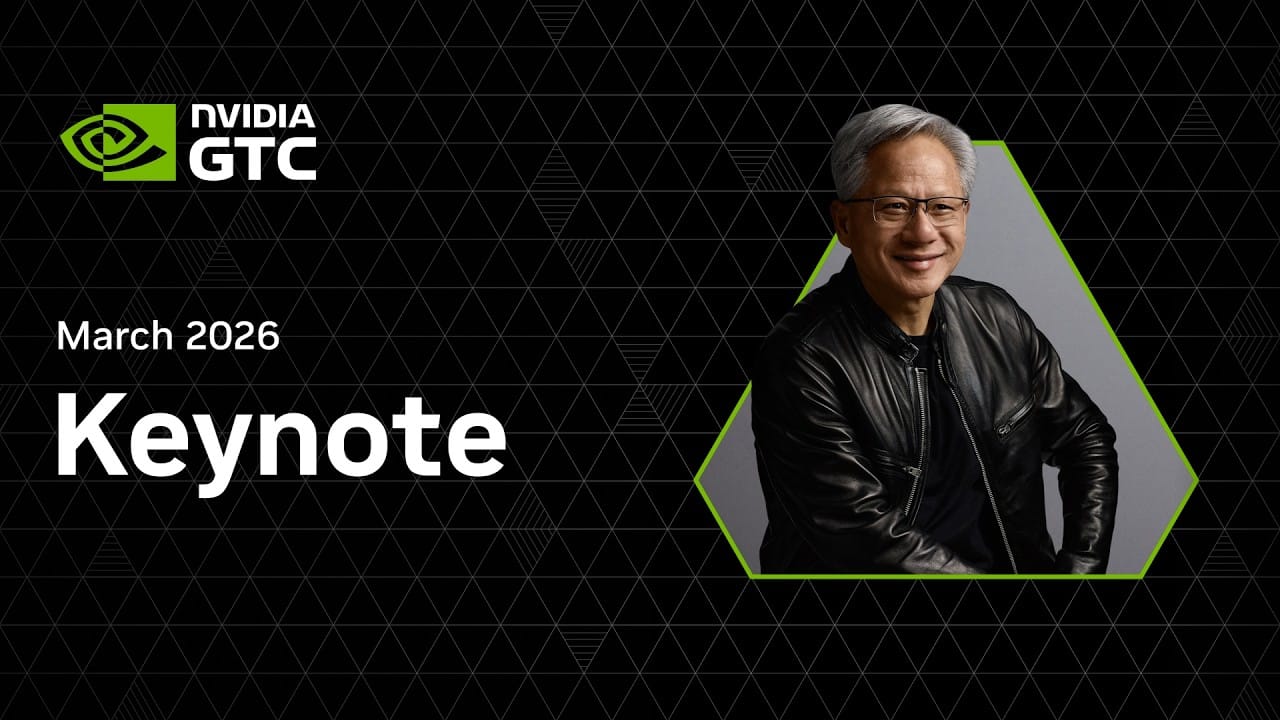
| | | | | | AI Conference: Nvidia GTC 2026 | | Key Points: | Nvidia GTC keynote today. AI inference thesis could move the entire semis sector Micron earnings this week Triple witching Friday. Expect amplified volatility on an already-nervous tape
| Nvidia's GTC 2026 conference runs March 16–19 in San Jose. CEO Jensen Huang delivers his keynote today. Microsoft, Meta, and Tesla are all participating. This is the event where Nvidia typically reveals its next chapter. | Analyst Timm Schulze-Melander flagged Nvidia's emerging "five-layer stack" strategy, essentially a plan to squeeze margins from hyperscalers (your Amazons, Googles, and Microsofts) and lock in dominance over AI inference. AI inference is the market for running AI models after they've been trained and analysts say it's bigger than the training market. | AMD, Taiwan Semi, Broadcom, and Intel shares are all expected to react to what Jensen says today. | Also on the calendar: Micron reports earnings this week, a key signal for AI infrastructure demand. Alibaba and FedEx report Thursday. And Friday brings triple witching options expiration, which tends to amplify volatility on an already-edgy tape. | Even if you don't own Nvidia directly, there's a good chance your 401(k) does. What Jensen says today matters. |
| |
| | |
| Bottom Line | Yes, it's a lot. War, oil, the Fed, all in one week. | But markets have survived worse and the investors who stayed calm always came out ahead of those who didn't. | Energy and defense are holding up. Gold is doing its job. The Fed isn't ignoring a slowing economy. | Volatility isn't a sign your plan is broken. It's just the market thinking out loud. | Stay informed. Stay steady. That's the edge most investors never use.
| | Disclaimer: This analysis is for educational purposes only and should not be considered investment advice. Always do your own research before making investment decisions.
Items marked with an asterisk (*) are promotional and help support this newsletter at no cost to readers. | |
|




Tidak ada komentar:
Posting Komentar