| TQ Morning Briefing | A Year That Learned Its Limits | | | | | | | A Year That Learned Its Limits |
| |
|
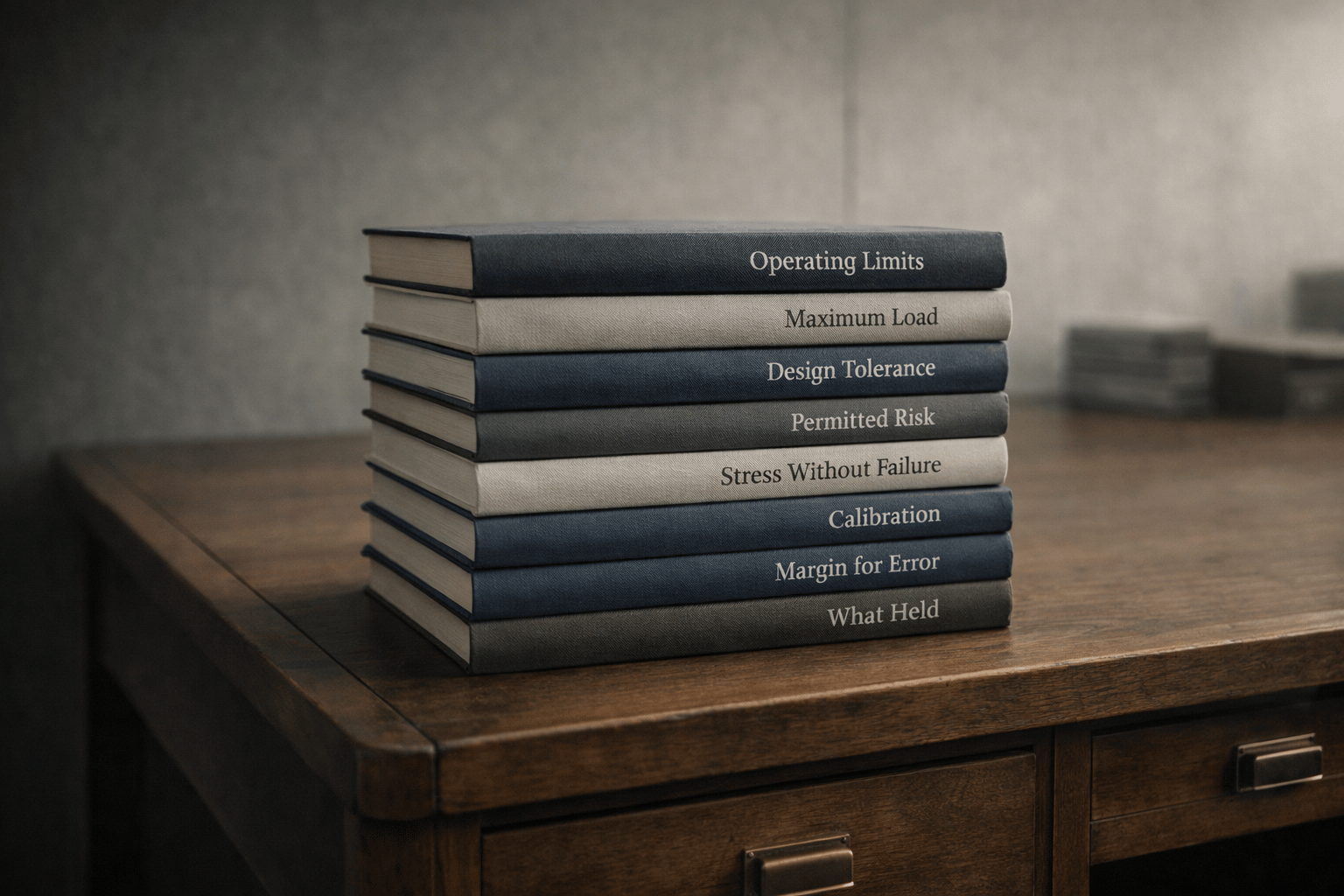
| | | This was not the year people think it was. | It was not a bubble year, despite record highs and persistent warnings about excess. It was not a collapse year, despite repeated forecasts of recession, policy error, or geopolitical shock. | And it was not the long-promised pivot year where monetary easing unlocked effortless upside and restored a familiar rhythm to risk-taking. | What made this year different was not what happened on the surface, but what changed underneath. | This was the year markets learned how to move forward without permission to feel good about it. | Progress arrived slowly and unevenly, often without celebration. Liquidity existed, but it was conditional. Risk was tolerated, but rarely indulged. Conviction was scarce, yet exposure remained. | Markets advanced not because they were confident, but because they had accepted the boundaries they were operating within. | That acceptance defined everything that followed. |
| |
| | |
| | | | | | | Permission Without Enthusiasm |
| |
|
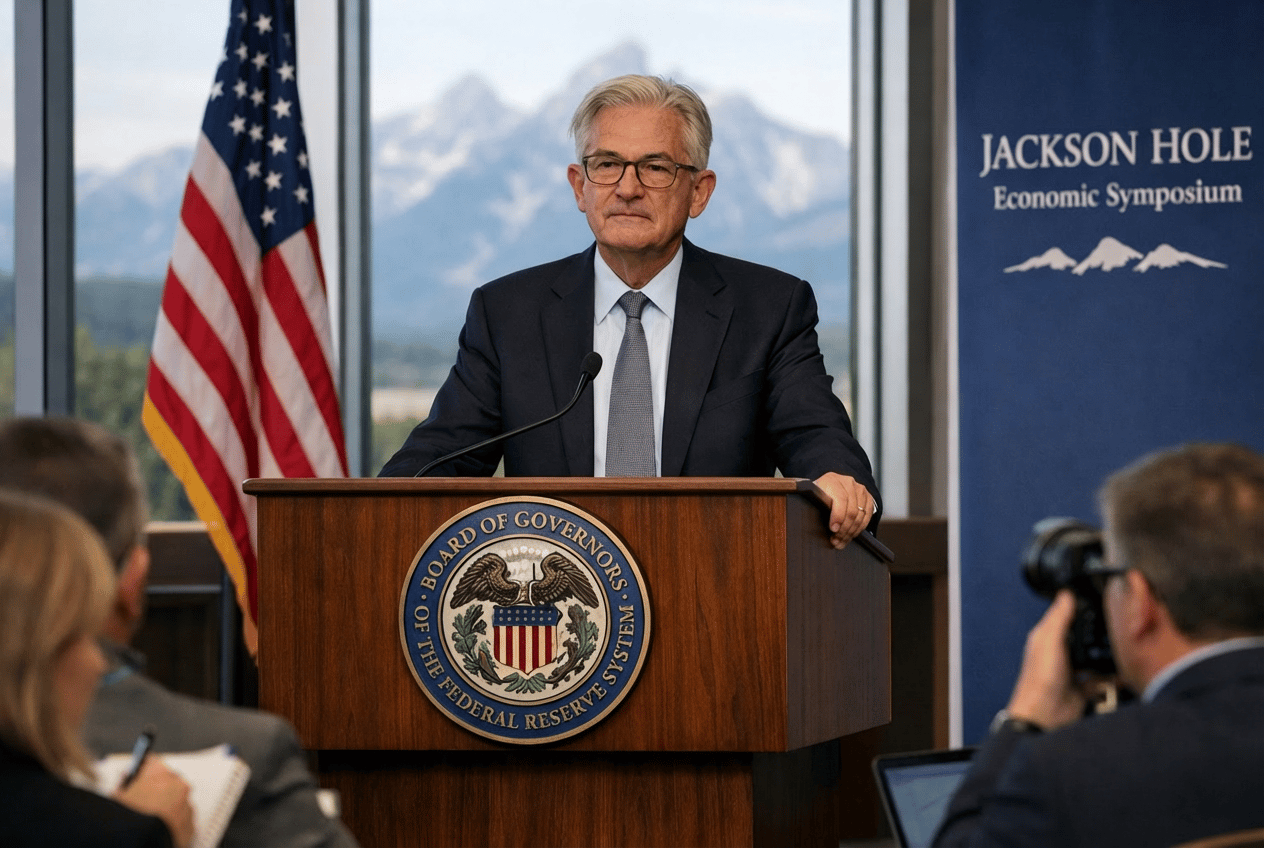
| | | | The year began with an unusual psychological setup. | Rates were restrictive, but stable. Inflation was easing, but not defeated. Growth was slowing, but not collapsing. | The Federal Reserve was present, credible, and resolutely uninterested in rescuing sentiment. | There was no urgency, no imminent catalyst, and no sense that policy would step in to smooth every drawdown. | What lingered instead was skepticism. Investors remembered how quickly optimism had been punished in prior cycles. | Every rally was met with hedges rather than celebration. Cash balances stayed elevated. Volatility sellers remained cautious. Credit markets participated, but without complacency. | Nothing about the early advance felt effortless. And yet markets began to move. | Not on belief, but on durability. Early positioning reflected a simple question. What could survive if conditions failed to improve. | Capital was deployed cautiously and selectively. Rallies lacked broad participation. Pullbacks lacked panic. | Volatility remained contained, not because risk disappeared, but because expectations were already low. | This was the first lesson of the year. Progress did not require optimism. It required limits that were clearly understood and widely respected. | Once those limits were accepted, movement became possible. |
| |
| | |
| | | | The AI Stock 6 Tech Giants Are Buying | Twenty years ago, $7,000 spread across the original Magnificent Seven could be worth $1.18 million today. | Now, the famous investor who called 4 of the best performing stocks of the last 20 years says: | "Forget those old stocks. I've found the NEXT seven." | And one of them recently pulled off something insane... | Apple, Nvidia, Google, Intel, Samsung and AMD have ALL bought shares of this company. | The same analyst who found Nvidia at $1.10 (split-adjusted) is now revealing the details — including all seven stocks he believes could lead the next AI wave. | See the full breakdown here. |
| |
| | |
| | | | | Concentration as a Survival Strategy |
| |
|
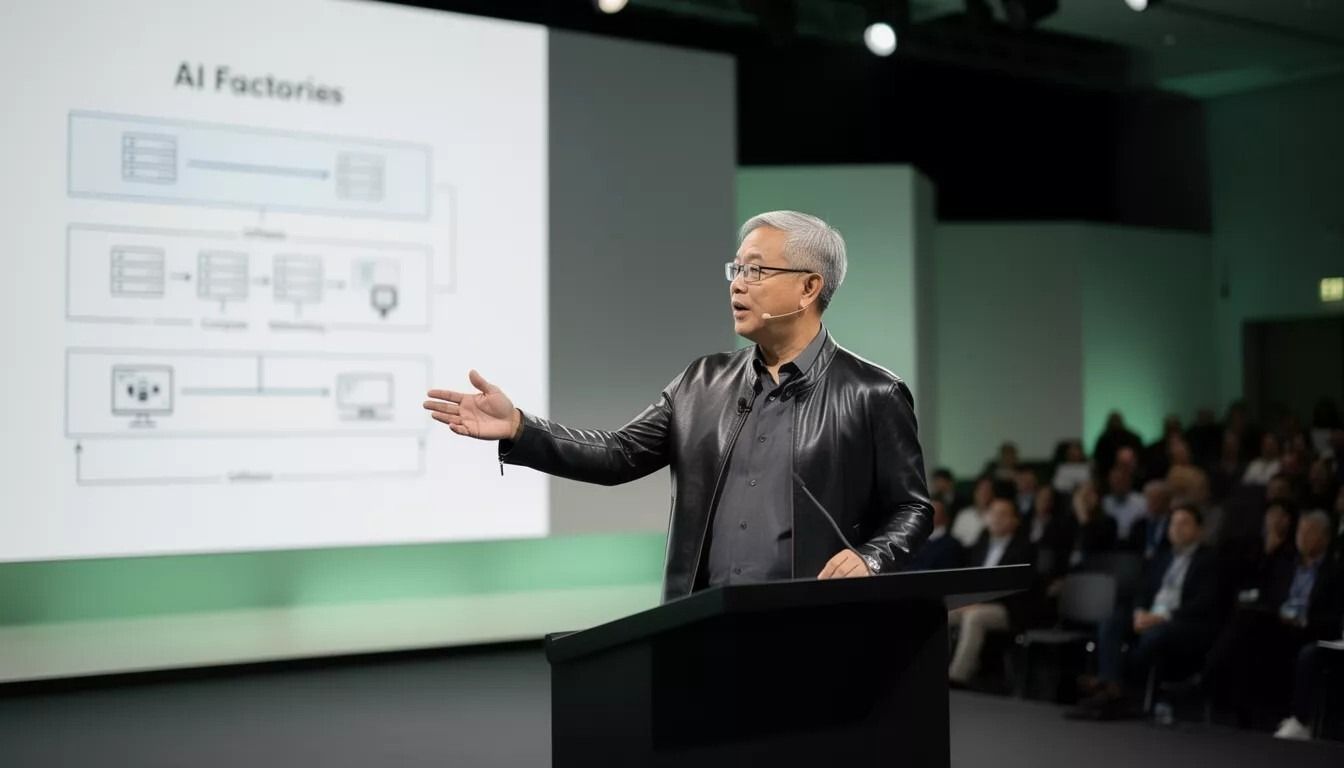
| | | | One of the most misunderstood features of the year was narrow leadership. | From the outside, concentration looked fragile. Mega-cap equities dominated index returns. AI-related names carried disproportionate weight. Breadth lagged. Rotation attempts stalled. | Critics warned that markets were balanced on too few pillars. | From the inside, capital was behaving rationally. | In an environment defined by policy constraint, margin pressure, and geopolitical friction, visibility mattered more than diversification for its own sake. | Cash flowed toward balance sheets with scale, pricing power, and durable demand. | AI was not treated as a speculative outlet, but as infrastructure. A place where capital could hide while still participating. | This was not enthusiasm. It was prioritization. | Markets were not searching for the next great idea. They were minimizing uncertainty while remaining invested. Concentration was not a sign of excess. It was a sign of discipline. Capital chose certainty over curiosity, durability over breadth. | The year rewarded survival characteristics, not imagination. |
| |
| | |
| | | | | Credibility Stress Without Capitulation |
| |
|
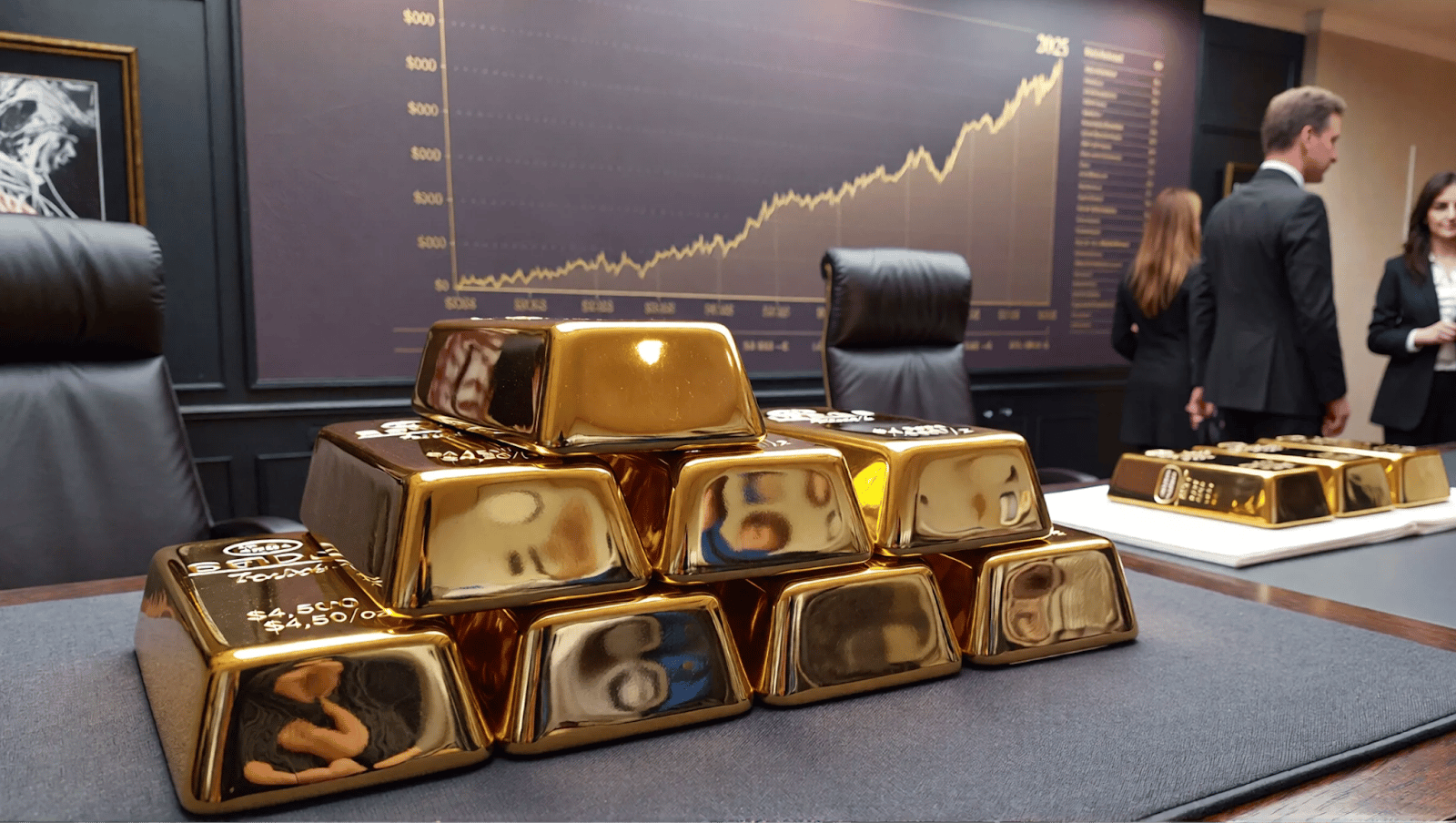
| | | | The true test arrived as summer gave way to fall. | Policy credibility began to fray. Labor data was revised meaningfully lower, undermining confidence in previously resilient narratives. Payroll growth slowed. Jobless claims rose. | The labor market did not collapse, but its reliability as a pillar of confidence weakened. | At the same time, political pressure around central banks became more explicit. Markets were forced to price not just economic outcomes, but institutional strain. | Bonds began to signal a slowdown that equities refused to fully acknowledge. Long rates fluctuated sharply. Gold surged alongside risk assets, not against them. | This was not confusion. It was bifurcation. | Markets were forced to reconcile competing truths. Liquidity was coming, but clarity was not. | Institutions remained functional, but increasingly questioned. Growth was slowing, but financial conditions remained loose enough to sustain exposure. | And yet, nothing broke. | There was no forced liquidation. No volatility cascade. No capitulation. Credit spreads widened briefly, then stabilized. Equity drawdowns were shallow. | Markets saw the risks clearly and chose continuation anyway. Not recklessly. Intentionally. | This was the defining posture of the year. Risk ownership without denial. |
| |
| | |
| | | | Legendary Wall Street Stockpicker Names #1 Stock of 2026 | The legendary stockpicker who built one of Wall Street's most popular buying indicators just announced the #1 stock to buy for 2026. | His last recommendations shot up 100% and 160%. | Now for a limited time, he's sharing this new recommendation live on-camera, completely free of charge. It's not NVDA, AMZN, TSLA, or any stock you'd likely recognize. | Click here for the name and ticker. |
| |
| | |
| | | | | Confidence Without Visibility |
| |
|
| | | | October and November revealed the operating system. | Economic data went missing. Government dysfunction disrupted information flow. Policy decisions were made without full visibility. | Geopolitical tensions intensified without resolution. Valuations were challenged. AI leadership was stress-tested rather than celebrated. | Markets continued to advance. | Not because uncertainty disappeared, but because it was no longer disqualifying. Liquidity did not wait for confirmation. | Capital adjusted, hedged, rotated, and stayed invested. Confidence did not come from evidence. It came from familiarity with friction. | Markets had learned how to function without perfect inputs. | That adaptation mattered more than any single data point. It explained why pullbacks were brief, why volatility compressed and released without escalation, and why exposure remained elevated even as narratives deteriorated. | Belief was optional. Structure was not. |
| |
| | |
| | | | | | | How the Year Actually Ended |
| |
|
| | | December did not deliver a victory lap. | Policy eased, but did not ignite. Rotations broadened modestly, but remained measured. AI repriced, but was not abandoned. Small caps and cyclicals participated, but without excess. Risk was held, not expanded. | There was no relief rally. Only positioning. | Markets ended the year prepared rather than optimistic. Exposure was intentional. Balance sheets mattered. Optionality was preserved. | The absence of celebration was the clearest signal of all. | This was not a market eager to chase a new story. It was a market comfortable with restraint. |
| |
| | |
| | | | Markets that survive constraint behave differently. | They do not require constant reassurance. They do not confuse liquidity with freedom. They do not mistake endurance for entitlement. They learn to price friction rather than fear it. | This year was not about discovering upside. It was about proving durability. About advancing carefully. About accepting limits without surrendering progress. | That lesson will carry forward. The next year will not reward recklessness simply because conditions improve. | Markets that learned restraint will demand selectivity. They will favor clarity over hope, balance sheets over narratives, and structure over speed. | This year did not make markets excited. | It made them competent. | And that may prove far more valuable. |
| |
| | |
|
|




Tidak ada komentar:
Posting Komentar