|
|
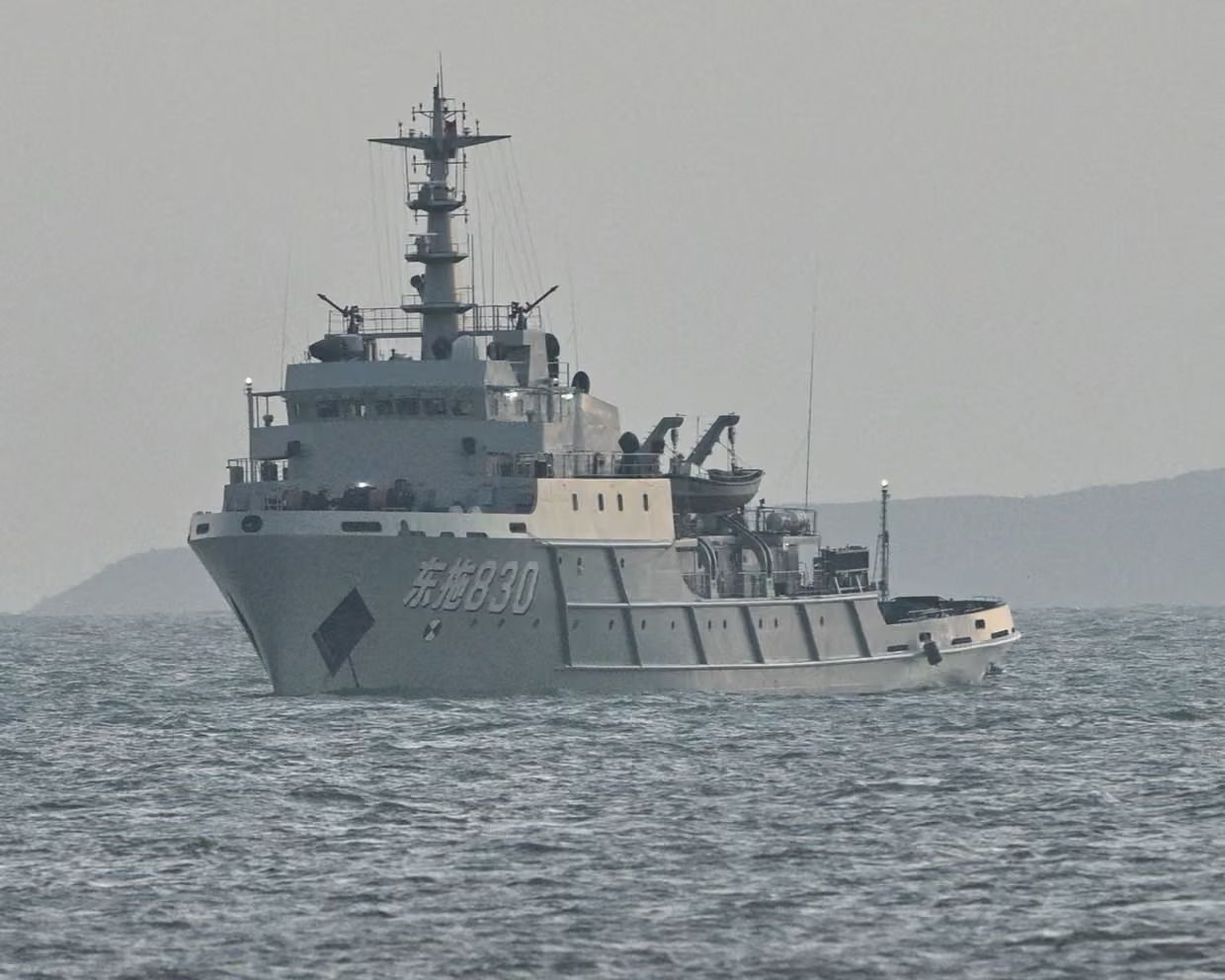
China just rolled out its biggest military show of force around Taiwan yet. |
We're talking about over 90 warships, fighter jets doing live-fire drills, and simulated blockades of Taiwan's major ports. |
This kicked off on December 29, 2025, and it's called "Justice Mission 2025." |
This isn't a surprise attack. But it's not just another day at the office either. |
|
What's Going On |
|
Think of Taiwan as an island roughly the size of Maryland, sitting about 100 miles off China's coast. China claims Taiwan belongs to them. Taiwan operates as its own country. The U.S. has long said it'll help defend Taiwan if needed. |
That tension has been simmering for decades. But lately? China's turning up the heat. |
These current drills involve seven military zones around Taiwan. Some of those zones overlap Taiwan's own territory and major shipping lanes. Over 100,000 passengers had their flights disrupted. Taiwan's military is on high alert. |
China says they're sending a warning about "external interference"—code for the U.S. and Japan getting too friendly with Taiwan. |
| | Is China About to Strike Taiwan? | Chinese military buildup along Taiwan's coast. Dozens of warships. Fighter jets. Troop carriers. Some say this is a dry run for full invasion. | Now, insiders are warning: this may trigger a global chain reaction. | By the time folks realize what's happening, it will already be too late. | I've identified 43 investments we believe are in immediate danger. | Get the list right here >>> | *ad |
| | |
|
|
Why Should You Care About It |
Good question. Here's where it gets personal for investors. |
Taiwan makes your phone work. And your car. And basically every piece of modern technology you own. |
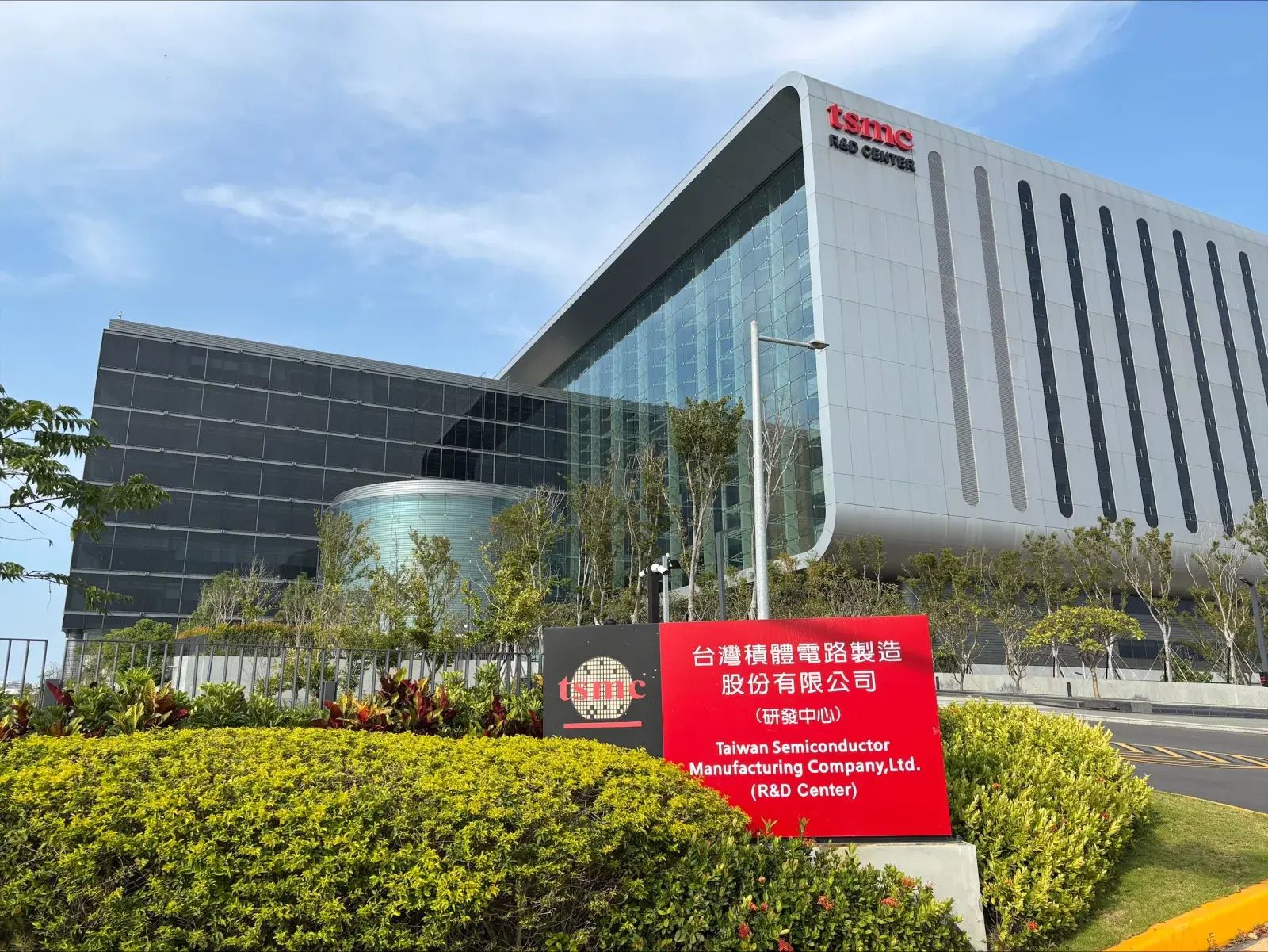
Taiwan Semiconductor Manufacturing Company (TSMC) produces the advanced chips that power iPhones, AI servers, electric vehicles, and military equipment. |
They're not just important, they're irreplaceable. No other company on Earth can make what they make at the scale they make it. |
If... |
If something happens to TSMC's factories in Taiwan, the global tech supply chain grinds to a halt. We're talking about trillions of dollars in economic damage. |
Your tech stocks would take a beating. Product launches would get delayed. |
That's why investors pay attention when China starts flexing military muscle around Taiwan. |
| | | | If tensions around Taiwan escalate, what's the first thing markets break? | |
| |
| | |
|
|
The Markets Are Watching |
|
Oil prices ticked up slightly during the drills. Gold pulled back a bit. But we're in holiday trading season, so markets have been pretty quiet overall. |
That doesn't mean investors aren't worried. They are. But here's the thing: this has happened before. |
China has been doing these military exercises around Taiwan regularly since 2022. Each time, they get a little bigger and a little bolder. Markets have learned to price in some level of tension as the new normal. |
Biden repeatedly stated the US would defend Taiwan militarily while maintaining official ambiguity, whereas Trump has emphasized deals and questioned automatic defense commitments, worrying Taiwan and regional allies about policy predictability. |
But that gap between "military exercises" and "actual conflict" matters more than you might think. |
|
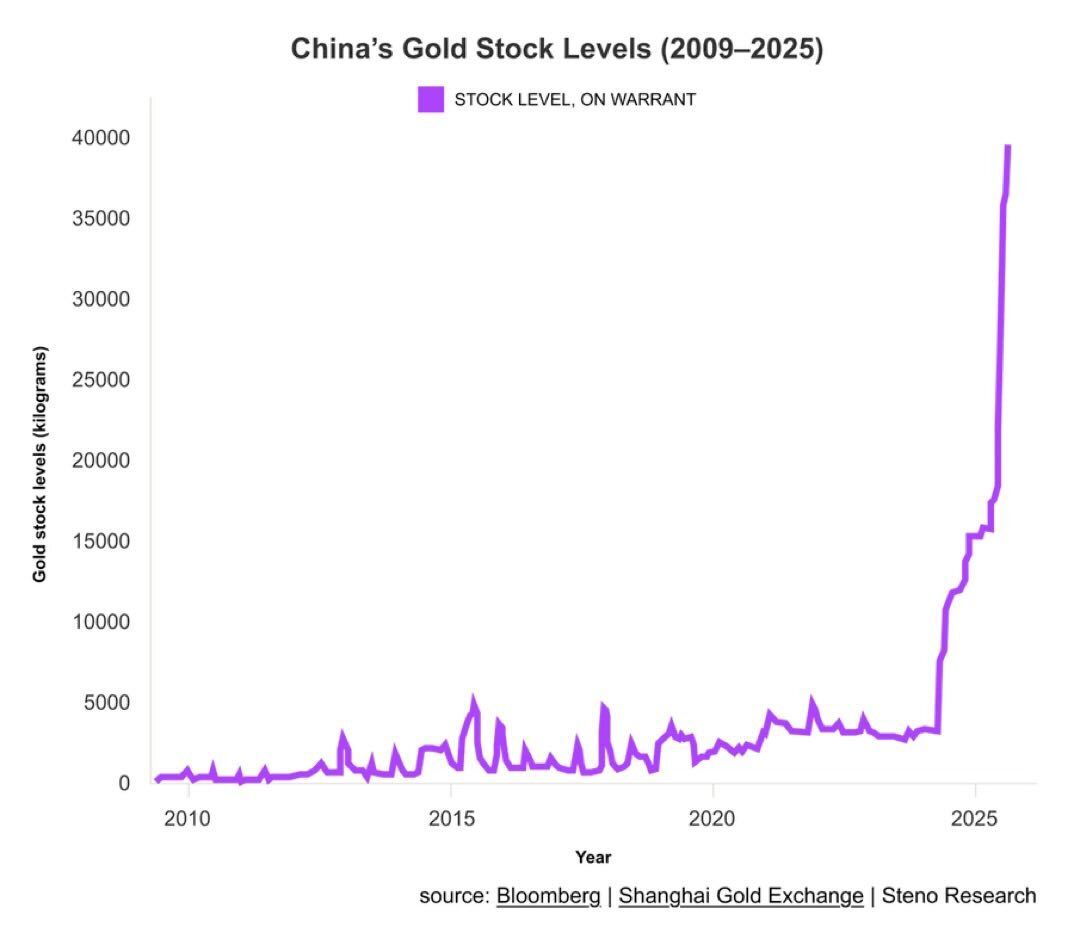
China's Been Buying Gold Like Crazy |
|
China doubled its gold imports in November 2025 were up to 60% compared to October. |
Why does that matter? Countries buy gold when they're nervous about the future. It's a way to protect against currency problems and geopolitical chaos. |
Russia did the same thing before the Ukraine invasion. |
Germany before WW2. |
Now China's following that playbook. |
China's official gold reserves are sitting at over 2,300 tonnes. Some analysts think the real number is much higher because not all purchases get reported publicly. |
This is part of a bigger trend called "dedollarization." Gold is the classic hedge when you're worried about global stability. |
Or a war preparation. |
| | This is an urgent warning for All American investors ... | What's coming next could be way scarier. | That's according to a strange investment secret - discovered just before the Great Depression … | And it's likely to catch most Americans by surprise. | If you're retired or planning to retire … | If you have any kind of money in the stock market … | Click here to learn more - before it's too late! | *ad |
| | |
|
|
What This Looks Like |
Let's zoom out. China's strategy here resembles what Russia did with Ukraine: constant pressure, military drills near borders, propaganda campaigns, and gray-zone tactics that keep everyone guessing about intentions. |
You apply pressure without triggering a full-blown war. You make your opponent (and their allies) wonder every day if today's the day things escalate. It's exhausting for the other side. |
Taiwan's military has to stay on high alert constantly. The U.S. has to keep sending signals of support. Japan watches nervously because Taiwan sits near their shipping routes too. |
All of this creates what economists call "risk premium," that extra bit of worry baked into asset prices because the future looks uncertain. |
|
The Semiconductor Wild Card |
|
Here's where things get really interesting for investors. |
TSMC isn't just another tech company. It's a single point of failure for the entire global economy. And it's sitting in the middle of a potential conflict zone. |
Big tech companies like Apple, Nvidia, and AMD depend on TSMC. So do automakers. So does the U.S. military. There's no backup plan that works at the same scale and quality. |
Some countries are trying to build their own chip factories. The U.S. is spending billions on domestic production. But those facilities won't be ready for years, and even then, they won't match TSMC's capabilities. |
If China blockades Taiwan or worse, we're looking at a supply shock that makes pandemic-era shortages look manageable. |
|
What to Watch Closely |
In the next few weeks: More drills are likely. China will keep making statements. Travel disruptions might continue. But unless something unexpected happens, this probably stays at the military exercise level. |
In the next few months: Watch U.S.–China relations. Every time the U.S. sells weapons to Taiwan or a high-level official visits, China responds with military shows. That pattern isn't changing. |
Watch your tech holdings. If tensions escalate beyond drills, semiconductor stocks will react first. |
In the next few years: The big question is whether China and Western economies continue splitting apart economically. We're already seeing it in tech, finance, and trade policy. |
Countries will keep stockpiling strategic resources like gold. Supply chains will keep shifting away from single points of failure. That creates winners and losers in the market. |
|
The Bottom Line |
You don't need to panic. But you should pay attention. |
These drills are part of a longer pattern of tension that isn't going away. |
Gold buying by China and other countries signals that major players are preparing for more uncertainty, not less. |
If you're heavily invested in tech, especially semiconductor-dependent companies, understand that geopolitical risk is now part of your investment thesis. It's not a reason to sell everything, but it's a reason to diversify. |
Consider what happens to your portfolio if chip supplies get disrupted for six months. Or a year. Or longer. Do you have enough exposure to other sectors? Are you overweight in companies that depend on TSMC? |
Nobody knows if this tension leads to actual conflict. But smart investors prepare for scenarios they hope never happen. |
That's what China's doing with gold. That's what companies are doing by building backup chip factories (slowly). And that's what you should be thinking about with your portfolio. |
The Taiwan Strait just became one of the most important places on Earth for your financial future. |
Even if you never visit. |
|
| | | | Quick check — was this worth your time today? | |
| |
| | |
|
Disclaimer: This analysis is for educational purposes only and should not be considered investment advice. Always do your own research before making investment decisions. |




Tidak ada komentar:
Posting Komentar