Dear Reader,
This is Dylan Jovine with Behind the Markets.
Happy Friday. Today is Friday, March 20th. TGIF.
Today I'd like to talk about oil — and something a little more concerning lurking underneath it.
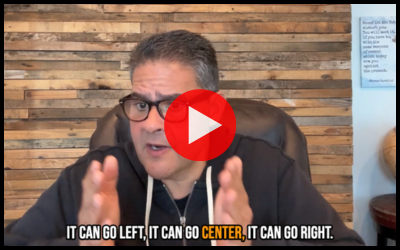
The Wall Street Journal polled 50 serious Wall Street economists and asked them a simple question: how high does oil have to go before the US enters a recession? The average answer was $138 a barrel — and not just touching it, but staying there for about 14 weeks. Right now, those same economists put the probability of a recession in the next 12 months at about 32%. Two-thirds chance we avoid it. But the way this is trending, I want to make sure you understand the full picture.
On one side of the screen, you have real growth. Nvidia's CEO Jensen Huang saying they have a trillion dollars in chip orders already on the books through 2027.
Everybody is building data centers. That is a serious signal for the economy, and the infrastructure buildout around AI — mining, energy, construction — is generating real jobs and real capital spending.
On the other side, you have oil, which is really a function of this conflict in Iran, and something I think a lot of economists are actually underweighting right now — the stagflation risk.
Stagflation. What an ugly word. Stagnant growth and inflation happening at the same time. We haven't really talked about it since the seventies, but the numbers that came out this week are worth paying attention to.
The PPI — the producer price index — is running well above the Fed's 2% target, and so is the CPI. And here's why the PPI matters: when the people who make things — computers, AirPods, glasses, whatever it is — pay more for their inputs, they pass those costs along to consumers.
Producers don't have the margin to eat those costs, and they wouldn't even try. It's like an airline paying more for fuel. You're paying a higher ticket price. That's just how it works.
So what you're seeing right now is producer prices going up at the same time that economic growth is shifting into a lower gear. Job figures are getting revised downward. Growth is slowing. And inflation is still running hot. That combination — that's the stagflation dynamic, and it's the same kind of thing we saw in the seventies. A lot of the same forces are in play right now.
Now, I want to be clear — it's still a little too early to say with any conviction which way this goes. The Iran war could be over tomorrow. A moderate could step forward and say he can do business with us. Or it could escalate.
We are at the mercy of events, and I'm not going to get pigeonholed into calcified thinking about where this ends up. We play the ball where it is, not where we want it to be.
But here's the bottom line. Don't drink and drive — and in our business, that means don't go running out doing crazy speculative things right now. Bring in your sails a little. You don't have to swing at every pitch. The market has a bias downward at the moment, and that can change quickly, so we don't want to marry any bull or bear position just yet. Protect your capital, stay patient, and wait for a firmer direction.
Anyway, that's all I have. Have a wonderful weekend. I'll see you Monday.



Tidak ada komentar:
Posting Komentar