| Hey there, it’s Micah here… Yesterday we talked about call options and how they give you 30x the capital efficiency. Today, let’s look at the other side of the coin: put options. If calls are about making money when stocks go up, puts are about protecting yourself or profiting when stocks go down. What is a put option? This one simple contract unlocks three powerful uses: 1. Hedging: protecting your wealth Case study: Mark Cuban and Yahoo Cuban knew the internet boom might not last forever. Instead of leaving his fortune exposed, he bought puts on Yahoo stock to lock in protection. These puts acted like insurance: no matter how far Yahoo dropped, his puts guaranteed he could still sell at a higher price. When the dot-com bubble burst and Yahoo plunged toward $13, most investors saw their wealth wiped out. Cuban’s hedge saved him, preserving his fortune. 2. Income: selling puts for premium When you sell a put, you’re agreeing to buy a stock at a set price if it falls below that level. If it doesn’t, you keep the premium. Case study: Buffett and Coca-Cola Why? Because $35 was the price he wanted to buy more shares. He collected about $7.5 million in premiums. If Coke stayed above $35, the puts expired worthless and he kept the cash. If Coke dropped below, he would own the stock at a discount. Either way, it was a win. Buffett turned a stock he already loved into extra income, while setting himself up to buy it cheaper.
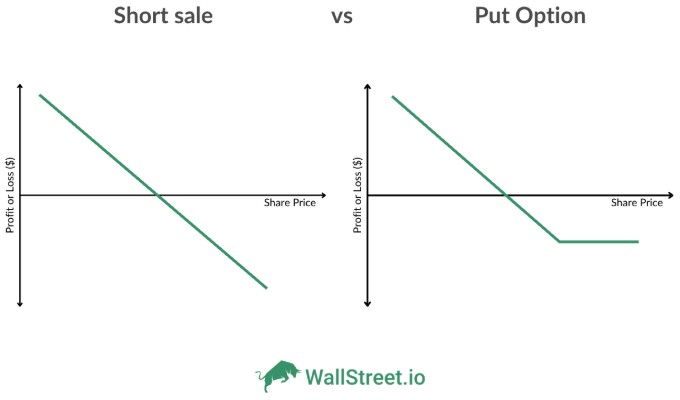
3. Speculation: profiting when stocks fall If you believe a stock is headed lower, buying a put gives you a low-cost way to profit. Your risk is limited to the premium you pay, but your gain grows as the stock falls. Example This is why traders use puts as a substitute for shorting stock: limited risk, leveraged potential. Why puts matter
Puts complete the options toolkit, giving you flexibility and control in every type of market. What’s next: Trade On, PS. Puts are not just about betting against the market. They are about choice, control, and having more ways to shape your trades. Tomorrow we’ll walk through what I call the full traders playbook for calls and puts. More soon.
Micah Lamar Questions? Please email us at Support@WallStreet.io or Chat with us 1-on-1 at WallStreet.io WallStreet.io All Rights Reserved © 2024 Thank you for being a part of our community. Please use the social links below and spread the word. We appreciate you! Thanks in advance.
|

Tidak ada komentar:
Posting Komentar