 | Source: The Daily Horn News |
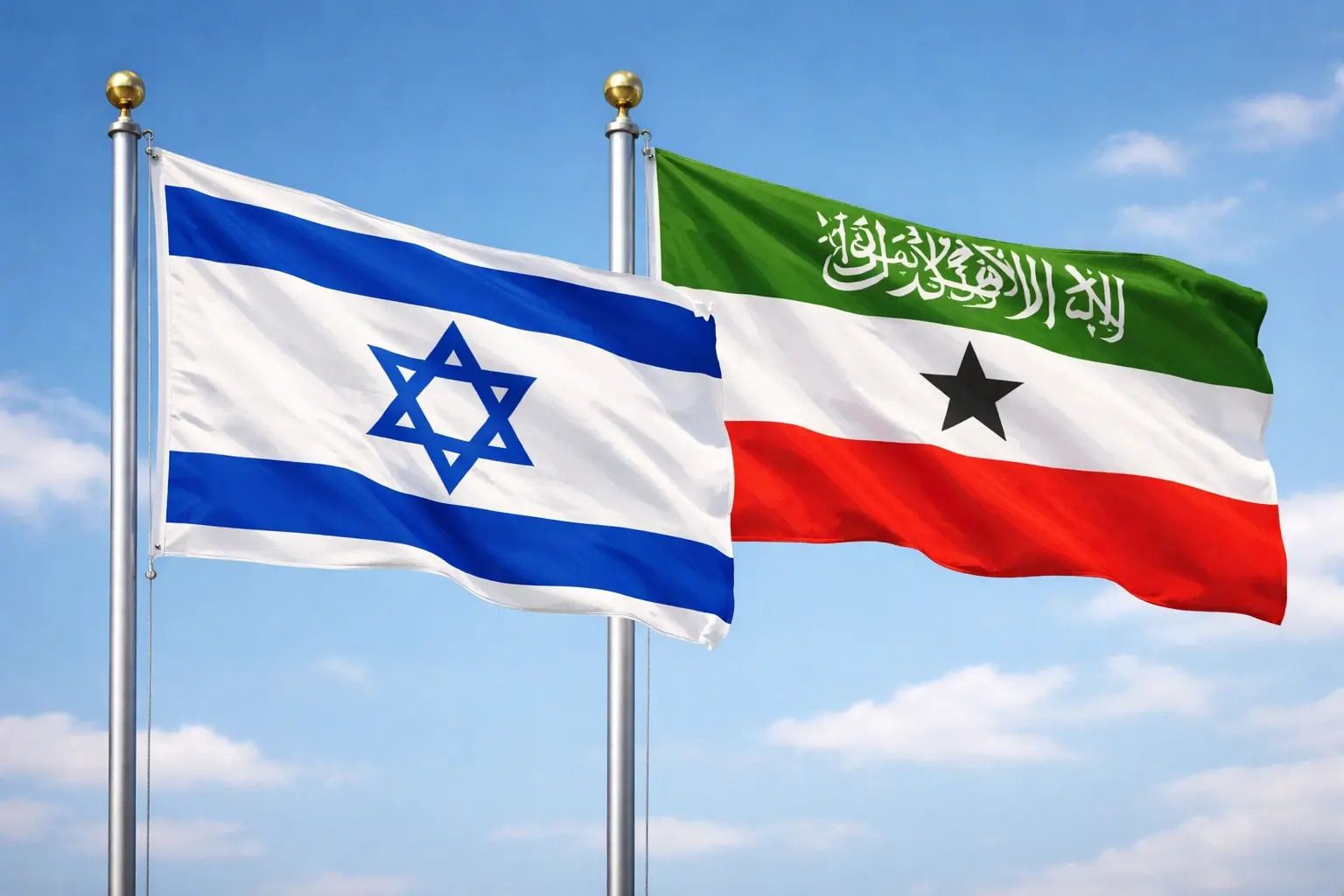
| Somaliland is a self-declared state in the Horn of Africa. It sits in the north of Somalia. It hosts about 6 million inhabitants. It operates like a sovereign state. It has its own government, currency, army, and elections. But until December last year, no state had ever recognized Somaliland. Israel has been the first to do so. This raised many oppositions from other states and threats from terrorist groups. Let's discover a bit more about Somaliland and the goals and impact of Israel's decision. | Historical background | Somaliland is a former British protectorate. It was granted independence in 1960. The same year, it united with the former Italian Somalia to form the Somali Republic. But early on, problems emerged. The Barre regime in power at the time exercised harsh policies against clans in Somaliland. During a ten-years independence war, a genocide was committed. In 1991, when the Barre regime collapsed, Somaliland declared its independence. Somalia ended up in a civil war. | A strategic location | Somaliland sits along the Gulf of Aden, near the Bab El-Mandeb Strait. It is a maritime chokepoint to the Red Sea. This is a strategic and sensitive region. It is a crucial artery for global trade, energy flows and military movements. About 10% of global trade passes through it each year. It represents about 30% of container traffic. Plus, it is a major route for oil and gas shipments. |  | Source: BBC |
| But the region is unstable. The Houthis in Yemen are a big threat. They act as proxy for Iran. They can disrupt these routes by attacking ships. They did so to retaliate against Israel over the war in Gaza. This kind of disruption forces some ships to detour around the Cape of Good Hope. This increases transport costs and delivery times. It also increases insurances. The supply chains are more fragile when the region is destabilized. This context has increased the importance of partners that can provide security, access, and stability. | | | Trump's Exec Order #14154 — A "Millionaire-Maker"
Donald Trump has cheated death.
He's overcome insane and criminal vote | rigging.
And survived every indictment and impeachment thrown at him.
But his next move could make him a legend – and perhaps the most popular president in U.S. History.
Former Presidential Advisor, Jim Rickards says, "Trump is on the verge of accomplishing something no President has ever done before."
And if he's successful, it could kick off one of the greatest wealth booms in history.
We recently sat down with Rickards to capture all the key details on tape.
For the moment, you can watch this interview free of charge – just click here. | |
|
| | Social, economic, and political situation | Compared to Somalia, Somaliland has a relative stability. It holds regular elections. The transfer of power is peaceful. It has its own forces, government, and currency (the schilling). It has a very limited presence of jihadist groups. It is seen as one of the most stable places in the Horn of Africa. | But the eastern part is still disputed. There are some communities that do not back the government. A couple years ago, violent clashed erupted. Plus, there are some human rights issues. Public figures and journalists face pressure from the authorities. Minority clans are subject being put aside. Women also often suffer violences. | Somaliland is also the 4th lowest GDP per capita. It relies a lot on the diaspora in the Gulf, Europe, and U.S. The port of Berbera is its main asset. Since a deal in 2016, it is mostly managed by the UAE owned DP Word. It plays a key role in livestock exports, mostly to Gulf states. Livestock is the backbone of the economy. Sheep, camels, cattle, and goats are the most crucial resources for Somaliland. It contributes to a large share of GDP. Agriculture is the second pillar. Key crops include sorghum, maize, beans, millet, groundnuts, and vegetables. Fishery is not really exploited. But it has a large potential given its coastline along a rich marine biodiversity. Somaliland is also believed to host a diverse and potentially valuable range of minerals. But most of it is unexplored. | Somaliland has no seat in the UN. Under international law, it is part of Somalia. But Somaliland still has ties with foreign states. The UAE plays a key role. It invests and manages the port of Berbera through DP World. Somaliland gave access to naval and air facilities in Berbera to support UAE's actions in Yemen. It also has ties with Taiwan on education, security, and medicine. Ethiopia tried to get closer. Being a landlocked state, it wanted to diversify its access to the sea. In 2024, they signed a deal in which Ethiopia would recognize Somaliland in exchange of that access. But this deal caused tensions with Somalia. Turkey mediated the talks. Ethiopia reaffirmed Somalia's sovereignty. The U.S. and EU work with Somaliland on security. But they avoid any formal recognition to avoid destabilization. Israel has been the first and only UN member state to recognize Somaliland. | Focus: Israel's recognition | A trade and partnership deal is discussed between Israel and Somaliland. The deal should cover agriculture, health, technology, and economy. The idea of Israel using facilities in Somaliland to military ends has been evoked but not confirmed. | Israel's move fits a broader strategy. The goal is to strengthen its presence in the region. It wants to safeguard maritime routes and counter regional threats. These include Iran and the Houthis. But the Red Sea is also a mean to supply weapons to support Hamas. It would allow Israel to monitor the area. It will give strategic depth and early warning capacities. It could broaden its military options in the region. Indeed, operating from Somaliland would reduce distance from Sanaa of 70%. This reduces response time for strikes against Houthis. It avoids air-to-air refueling and allows for short range UAVs strikes. | But this move caused opposition from many actors in the region. Somalia said it interfered with its internal affairs. Leaders declared they will never allow Israel's forces there and will confront them. This position was backed by other African and Arab states (Saudi Arabia, Egypt, Turkey, Sudan Yemen, Nigeria, Libya, Iraq, Iran, and Qatar). The African Union also stands against Israel's move. It worries that it could set off a chain of reaction across the continent. Other separatists could demand recognition. The Houthis and Shabab threatened to attack Israel's forces in Somaliland. | This could increase Somaliland's isolation. But there could also be attacks on its territory, even though Israeli forces would be the target. A recognition brings investment and aid. But it can also trigger regional instability. | Decoding geopolitics isn't a job. It's survival. | Joy | |
|


Tidak ada komentar:
Posting Komentar