Market News: | Trump names Kevin Warsh as next Fed chair Gold dropped from around $5,600 to $4,960 per ounce in days. Silver fell to $95.12. Trump deal to avert major shutdown set to miss funding deadline Apple shares gains on massive revenue, record iPhone sales Musk plans to merge Tesla with SpaceX US-Iran tensions: There is still a possibility that US and Iran cut a deal that avoids an attack SanDisk beat earnings expectations, reporting significantly higher revenue. $SNDK ( ▲ 2.21% ) up 19.82% (premarket) Elon's "Second Tesla" is about to launch* (ad)
| | What a wild week! | It's officially announced. | Trump's Fed Chair pick, Kevin Warsh, is moving markets right now. | Gold and silver just dropped. The dollar's back. | We're watching major shifts happen at once, and they're all connected. | Some are creating opportunities. Others are flashing warning signs you can't ignore. | Here's what actually matters. | | | | | Kevin Warsh Nomination |  | Kevin Warsh, former governor of the US Federal Reserve (Tierney L. Cross/Bloomberg/Getty Images) |
| Key Points: | Rate expectations just shifted The dollar jumped on this news alone, which puts pressure on everything from commodities to stocks Volatility spiked across equities, crypto, and commodities because nobody knows exactly how hawkish Warsh will actually be
| Trump just nominated Kevin Warsh as the next Fed chair. If confirmed by the Senate, he will replace Jerome Powell. | Markets are treating him like someone who talks tough on inflation but might actually support growth-friendly policies when it counts. | When the Fed chair changes, the whole investment landscape shifts with it. Warsh could be dovish in practice. Or he could surprise everyone and stay tight on monetary policy longer than expected. Right now, markets are pricing in both possibilities, which is why everything feels so choppy. | Do you support Trump's Fed pick? | |
| |
| | |
| | | | | Apple Is Coming for the Smart Home — And Fast | Apple's rumored Face-ID door lock and smart display hub are more than just new products. It's a clear signal: they're going all-in on smart home automation.
The tech giant is doubling down on the smart home, the $158B industry that's growing 23% annually.
And with Apple's entry, investors are looking for the next breakout company - and potential acquisition target. | | They're chasing Google (acquired Nest, $3.2B) and Amazon (acquired Ring, $1.2B).
History shows: when Apple plays catch-up, they go big.
And there's one startup perfectly positioned to benefit.With 10+ patents, distribution in over 100 Best Buy stores, and revenue growth that doubled year-over-year, they're built for a huge breakout.
Early investors in Ring and Nest saw life-changing returns.
Last chance to invest at just $2.35/share. | | This email contains a paid advertisement for the Ryse Regulation A+ offering. Please review the offering circular at https://invest.helloryse.com/ |
| |
| | |
| | | | | | Gold and Silver Just Crashed | | Key Points: | This was classic profit-taking after a parabolic run Some analysts are calling it a "blow-off top" moment The stronger dollar and changing Fed expectations triggered the sell-off The long-term reasons for owning precious metals are still intact
| Gold dropped from around $5,600 to $4,960 per ounce in days. Silver fell to $95.12. But here's the thing, even after the drop, gold's still up near 23% for January, and silver's up over 60%. | Real talk: when gold and silver move this fast, corrections happen. It's not the end of the bull market. It's just the market catching its breath after a wild run. | If you're sitting on big gains, maybe take some profits. If you're looking to buy, better entry points usually show up after these kinds of shakeouts. Just don't chase the rally or panic sell the dip. |
| |
| | |
| | | | | | Big Tech Earnings | | Key Points: | Meta jumped 8–10% because investors believed the AI story Microsoft fell on AI capex spending Tesla is no longer a car company. Elon Musk plans to merge Tesla with SpaceX. Apple beat expectations with record iPhone sales.
| Meta, Microsoft, Tesla, and Apple all beat earnings this week. But here's the twist, markets didn't care about the beats. They cared about one thing: how much money these companies are pouring into AI, and whether it's paying off. | Meta's revenue hit $59.9 billion, EPS came in at $8.88 (both beat estimates), and even though they raised AI spending forecasts sharply, the market said "we trust you." Why? Because Meta's showing how AI improves ad targeting and drives actual revenue growth right now. | Microsoft beats on revenue ($81.3 billion) and cloud growth (high-30% range). The problem? AI capex ran hotter than expected ($37.5B vs $36.3B forecast), and cloud margins dropped from 70% to 67%. But how far will margins fall while you scale up AI? | Tesla sales slump in first annual revenue drop on record. It's basically repositioning itself as an AI/robotics company. | Apple beat expectations with iPhone sales returning to growth, but their AI story is quieter and less flashy than Meta or Microsoft's right now. | The market is done rewarding AI spending just because it sounds exciting. If you can show the spending is turning into revenue (like Meta), you get rewarded. The numbers are huge. | These four companies alone are spending hundreds of billions on AI infrastructure over the next few years. Data centers, custom chips, networking, it's the biggest capital spending wave in tech history. |
| |
| | |
| | | | | | US vs Europe Markets | | Key Points: | US stocks have higher valuations but offer better growth, deeper tech exposure, and more policy support for AI and energy transition Europe looks like value on paper, but it's more exposed to banks, industrials, and energy, sectors that struggle with geopolitical and regulatory shocks US markets give you growth and liquidity; Europe's more of a selective value play with extra currency risk
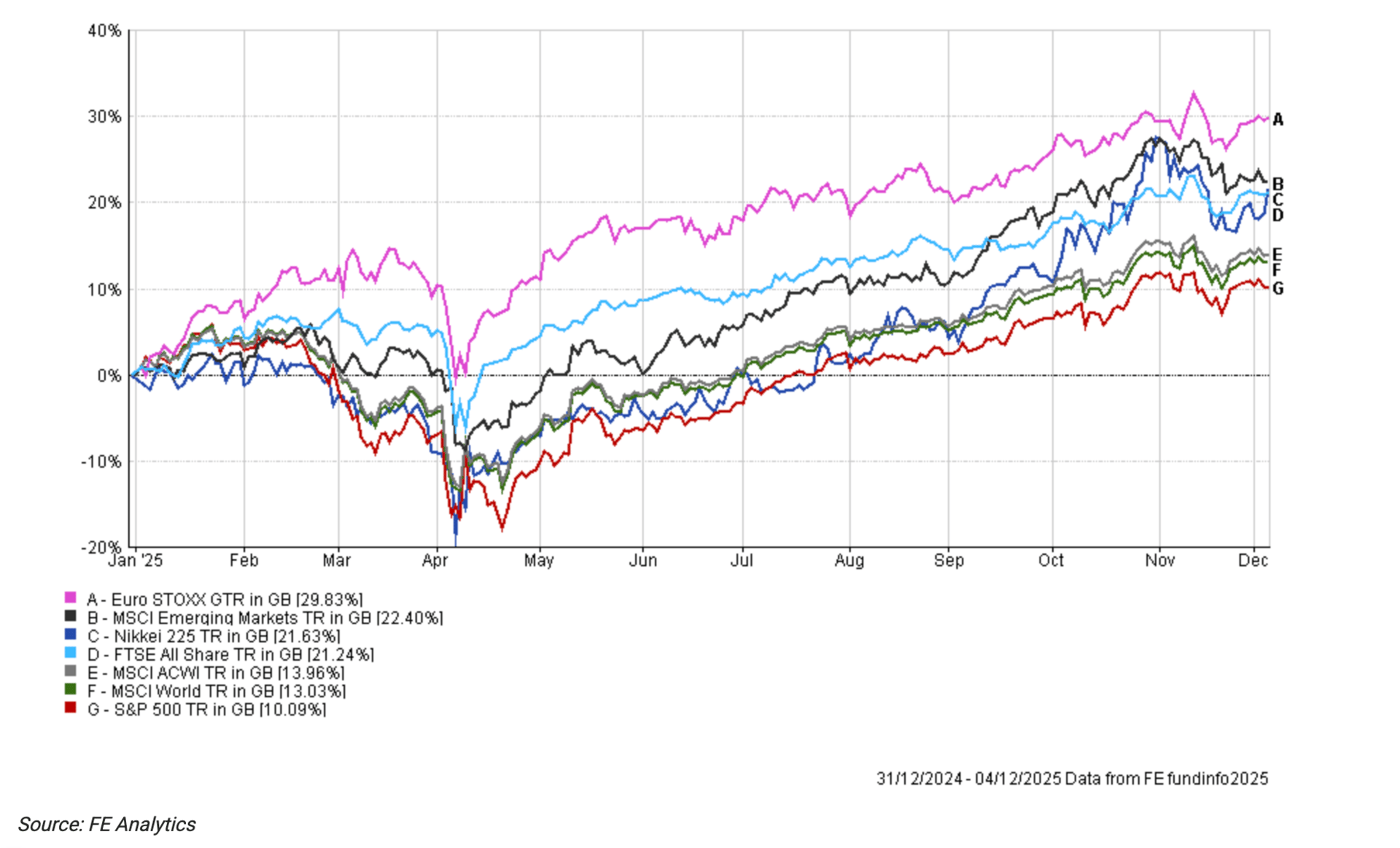
| US markets are expensive. Europe's cheaper but weaker. And research shows European markets don't absorb volatility the way investors thought, they actually transmit it during stress periods. | Here's the snapshot most analysts are using right now: | The US gives you innovation and momentum. Europe gives you cheaper multiples but structural headwinds. Neither is perfect. But if you're building a long-term portfolio, US exposure makes sense for growth, while Europe can work as a tactical value bet when sentiment shifts. | The real risk? Europe doesn't hedge volatility like it used to. When things get messy, European equities can amplify the pain instead of cushioning it. |
| |
| | |
| | | | | Will Your Retirement Income Last? | | A successful retirement can depend on having a clear plan. Fisher Investments' The Definitive Guide to Retirement Income can help you calculate your future costs and structure your portfolio to meet your needs. Get the insights you need to help build a durable income strategy for the long term. | Download Your Free Guide |
| |
| | |
| | | | | | The Energy Transition Bet | 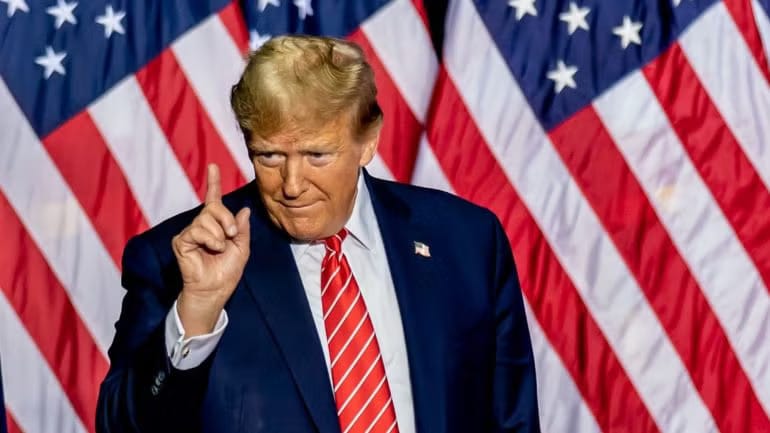 | President Donald Trump |
| Key Points: | Trump endorsed a Commerce finding that dependence on imported critical minerals is a national security risk, this supports higher long-term copper prices We're seeing narrower threats on specific copper products and talk of supply-chain agreements and price floors Copper miners benefit from domestic production policies, but users in autos, construction, and equipment face margin pressure when prices spike
| Copper prices surged about 25% from November lows. Trump's team keeps threatening tariffs, then stepping back. | Copper is a leveraged bet on the energy transition. EVs, data centers, power grids, renewables, they all need massive copper volumes. | Analysts frame it like this: fundamentals are strong long-term, but prices are ahead of themselves short-term. If tariff expectations get watered down or global growth disappoints, copper could pull back hard. | How do you feel about Trump's critical minerals push? | |
| |
| | |
| | | | | | Dollar's Back | | Key Points: | A stronger dollar makes commodities more expensive in other currencies, which reduces global demand and pressures prices Non-US stocks and emerging markets take a hit when the dollar rallies because it tightens financial conditions globally This dollar move is tied directly to Warsh's nomination and shifting Fed policy expectations
| When the dollar strengthens, it's like tightening monetary policy for the whole world. It makes US assets more attractive, but it also creates headwinds for international investments and commodity prices. | If you're heavy in international stocks, commodities, or emerging markets, a persistent dollar rally could eat into your returns. | That's not a reason to panic sell, but it's a reason to reassess your allocation. |
| |
| | |
| | Bottom Line | These market moves are all connected. The Fed shift drives the dollar. | The dollar pressures gold and commodities. Tech volatility reflects late-cycle crowding. Copper and energy play out the industrial policy story. And geopolitical risk keeps showing up as short-term noise that fades unless something actually breaks. | What should you do? | First, don't panic. Volatility is high, but that's normal when policy expectations shift this fast. | Second, reassess your positioning. If you're overweight tech, precious metals, or international exposure, this is a good time to ask whether your allocation still matches the current environment. | Third, watch the Fed. Kevin Warsh's actual policy moves will matter more than any headline. | Fourth, remember that corrections after big rallies create opportunities. Gold, silver, copper—they all had massive runs. Pullbacks are healthy. They reset momentum and give you better entry points if the long-term story still holds. | Markets are nervous. Leadership is narrow. And policy uncertainty is keeping volatility elevated. | But you don't need to trade every headline. | You need to understand how the pieces fit together, adjust your risk, and position for what comes next. | | Disclaimer: This analysis is for educational purposes only and should not be considered investment advice. Always do your own research before making investment decisions.
Items marked with an asterisk (*) are promotional and help support this newsletter at no cost to readers. |
|





Tidak ada komentar:
Posting Komentar