Starlink follows the century-old playbook of Ma Bell.
You're reading The Budget Analyst — a calm space in the noise of markets.
Here we collect signals, patterns, and quiet insights that help you see the bigger picture.
No rush, no hype — just clarity for your financial journey. | | | | In partnership with Brownstone Research |
|
|
|
| | | | | The old switching station smells of ozone and dust. You can almost hear the ghost of a dial tone in the silence. For decades, copper veins were the world's nervous system. | Today, server towers hum and satellites pulse. We see a shift in how the world works.
This is not a tech story; it is a regime change in the world of utilities. |
| |
| | |
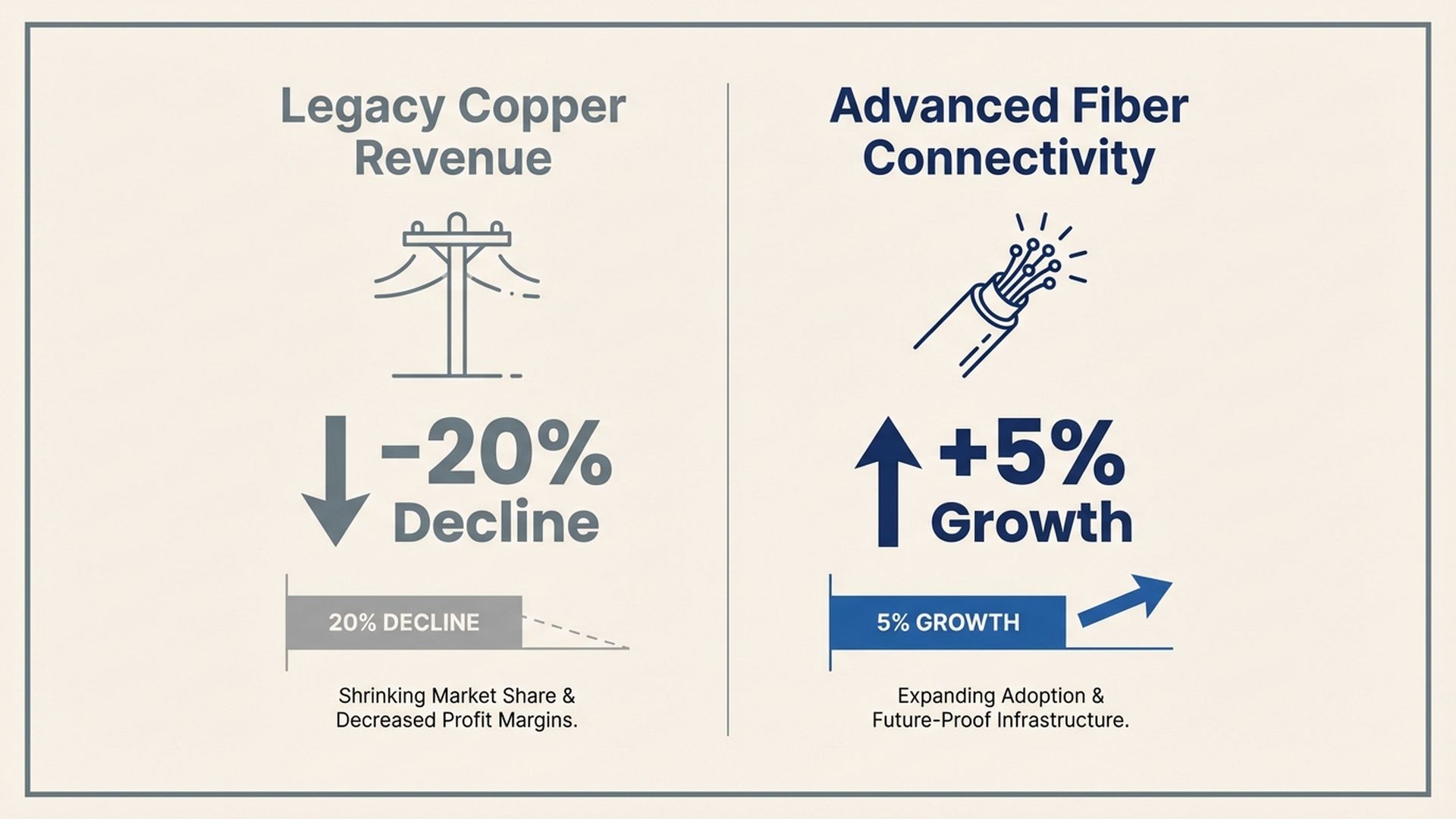
| | | | | You can see the shift if you look closely. | AT&T expects a 20% drop in copper revenue by 2026. This signal shows the analog era is ending. It is not a retreat, but an asymmetric move of capital into fiber and 5G rails. | The giants are buying assets like Lumen to grow. They want to own the physical spine of the internet. We see a bifurcation between old copper and new fiber. | | They target a 5% rise in revenue from new tech. This is plumbing, not hype. | If you are old enough to remember dialing a rotary phone, you remember "Ma Bell." | By 1983, the Bell System controlled almost every phone line in America. It was so entrenched, it was considered as essential as highways and railroads. Its stock was a classic "widows and orphans" holding: boring, regulated, and relentlessly reliable. | When the government finally broke up the monopoly in 1984, everyone assumed the party was over. Yet those who held AT&T and the "Baby Bells" saw total returns of more than 1,100%, beating the S&P 500 for decades. | Monopolies—especially regulated, infrastructure monopolies—don't behave like "hot stocks." They behave like slow-motion wealth machines. | We are watching that story happen again... but this time, it's in orbit. | Starlink is the "Ma Bell" of the 21st century. Instead of copper lines on your street, it's a mesh of satellites blanketing the planet. It is already providing internet access in over a hundred countries, with millions of customers paying a monthly bill for a service they can't live without. | It is not "just another tech stock." It is the next great global utility. | If you missed owning the phone company in 1980, you don't have to miss the orbital version. | |
| |
| | |
| | | | | These monopolies thrive on steady results. | AT&T beat earnings expectations 83.3% of the time over five years. This shows machine-like precision in a noisy world. | While others chase AI hype, these giants plan $45 billion in returns by 2028. This is the "slow-motion wealth machine" in action. | Customers now bundle fiber and mobile into one bill.
Infrastructure monopolies thrive on the quiet power of recurring revenue. | Building new plumbing costs a lot of money. | Investors pushed AT&T to a 12-month low of $24.88 recently. | They worry about the $22 billion spent each year on gear. Building a global utility is a test of thermodynamic endurance. | The market is wary of the debt needed for this buildout. Morningstar sets a fair value of $23 for the stock. | The final signal is the birth of one invisible grid. | The goal is to cut debt to 2.5x by 2028. | This will create a strong balance sheet like the old Ma Bell. Whether data moves through fiber or space, the plumbing remains the same. | | Builders who own the satellites will collect rent for decades.
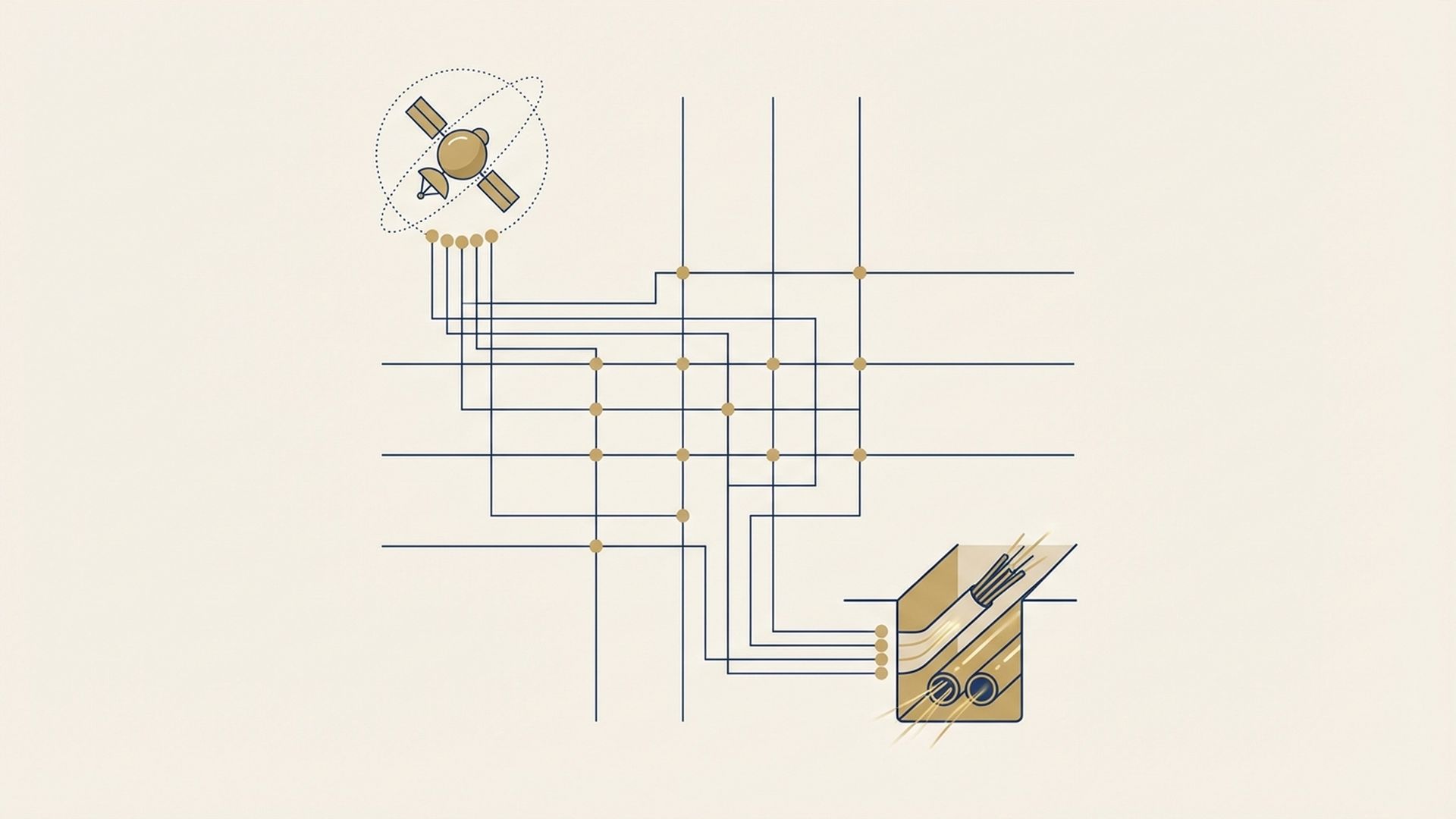
The orbital mesh is the new copper. |
| |
| | |
| |
|
| | | | Update your email preferences or unsubscribe here © 2026 The Budget Analyst 228 Park Ave S, #29976, New York, New York 10003, United States | | Terms of Service | |
|
|
|
|
|



Tidak ada komentar:
Posting Komentar