Redistributing Power: Inside Jori Davis and Julie Wojta’s RebellionExpedia killed the middlemen in travel. Zillow killed real estate’s information monopoly. Two pro hoopers are about to do the same in sports.
Here’s how you rob a professional athlete: Keep salaries secret. Hide market rates. Make sure they can’t compare notes. Tell them “this is standard” when it isn’t. Collect your 5-10% cut. Repeat. It’s worked for decades. The global sports industry generates hundreds of billions in revenue every year. Most athletes see a fraction of that, if they’re lucky. Jori Davis and Julie Wojta spent a combined 29 years playing professional basketball internationally. They were good. Really good. But they were getting screwed. When they finally figured out how the machine worked, they didn’t write a Twitter thread to complain about it. They built a weapon to dismantle it. It’s already spreading across international sports. 300 athletes in 14 countries are uploading contracts, comparing salaries, and arming each other with data. And the gatekeepers who’ve been profiting off athlete ignorance? They’re about to get exposed. The Betrayal: Broken Representation
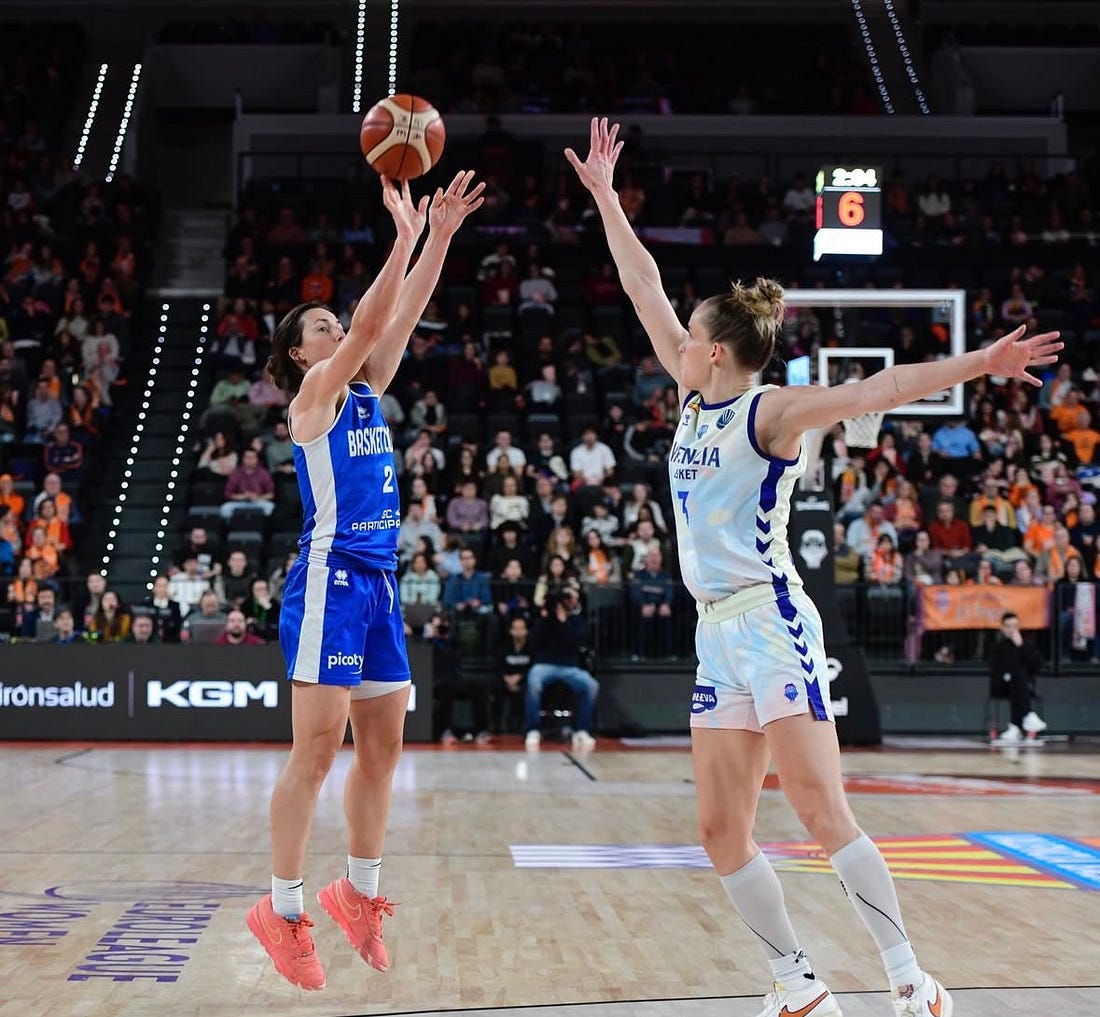
Here’s a dirty secret in professional sports: sometimes your biggest opponent isn’t on the court. It’s the person sitting next to you at the negotiating table, wearing a suit, calling themselves your agent. Jori still remembers the Facebook message that changed everything. First season in Israel. She’d finished 10th in league scoring against WNBA-level talent. She was expecting an invite back to training camp. Instead, she got ghosted. She was home, unsigned, training alone, working a 9-to-5 at Paychex to pay rent. Then a coach messaged her: “Why aren’t you playing? I thought you’d already signed with another team.” She hadn’t signed anywhere. Turns out, when Jori tried to leave her agent, the agent’s partner in Israel started telling teams she was “too expensive” and “already committed elsewhere.” Her opportunities didn’t dry up by accident. They were sabotaged. And just like that, Jori found herself at the peak of her career, frozen in limbo, waiting for a phone call that never came. When she finally got back on the court, she discovered something equally brutal. Her performance kept rising, but her pay stayed flat. League after league. Year after year. Top scorer in Switzerland twice. Top scorer in Italy’s Serie A. Her stats screamed elite. Her contracts told a different story. The person who was supposed to fight for her? They were the ones holding her back. The Pattern: Negotiating Blind
Julie’s breaking point came at an athlete offsite in 2019. She had a killer resume - years playing in top leagues across Italy, Spain, France, and Belgium. From the surface, it looked like she had it all figured out. She didn’t. For years, Julie did what she was taught: work hard, play well, trust your agents to get you what you’re worth. Every negotiation came with the same soundtrack: “Trust me, this is standard. You’re getting the higher end for someone with your experience. I got you the best deal they could offer.” She nodded. Signed. Assumed that was enough. Then Jori told her story. And suddenly, Julie saw her own career in a new light. She hadn’t been actively blocked like Jori. But being kept in the dark? That was exploitation too. Silent, invisible, perfectly legal, and wildly profitable for everyone else. Around the room, other athletes started sharing. Different leagues. Different teams. Same stories. Julie realized the pattern wasn’t isolated. It was systematic. Some agents played favourites, quietly burying offers from teams to steer clients toward deals that maximized commission. Others crafted multi-year contracts designed to trap desperate athletes from overseas, locking them into below-market deals with brutal buyout clauses. And then there were the teams that couldn’t be trusted. Moldy apartments labeled “housing.” Promised cars that showed up three months late. Sometimes, amenities only ever existed on paper. Most athletes had no idea they were being screwed until it was too late. One FIBA player later told them, “When it came time to fight for my money, my agent hadn’t tracked the missed payments, hadn’t documented the breaches, and and hadn’t been submitting the paperwork for a proper legal process. I was on my own.” And that player’s agent? Still taking a cut of everything he earned. Enough was enough. Julie decided she was done negotiating blind. The Revelation: Information is PowerAs Jori and Julie compared notes with more athletes across Europe, Asia, and Africa, the answer became obvious. Everyone in the industry had leverage except for the athletes. That’s it. The entire machine in one sentence. This wasn’t the NBA or NFL, where players’ unions, collective bargaining agreements, and public salary caps created baseline transparency. This was international sports. The wild west. Thousands of athletes playing across hundreds of leagues in dozens of countries, with zero salary disclosure, inconsistent regulation, and agents who operated however they wanted. The problem wasn’t talent. It wasn’t skill. It certainly wasn’t performance. It was information. The difference between a sky-high opportunity and a below-market deal came down to one thing - who knew what. Some athletes knew exactly what to negotiate for. Most didn’t. And if they didn’t? They left money on the table. Enough to change where they lived. How long they played. Whether they could afford to retire. Jori and Julie weren’t outliers. They were the norm. The industry didn’t just exploit athletes. It trained them to protect the very system exploiting them. Fear of being labeled “difficult.” Fear of losing their roster spot. Fear of speaking up. The machine ran on silence. But there was a blueprint for dismantling it. Rich Barton had done it three times already. Expedia - killed the travel agent stranglehold. Now worth $20+ billion. Zillow - demolished real estate’s information monopoly. $10 billion company. Glassdoor - made salary transparency mainstream. Sold for $1.2 billion. Same playbook every time. Find an industry where gatekeepers hoard information. Give the people the data. Watch the gatekeepers panic. Different industries. Same move. If it worked there, why not sports? The Rebellion: Dismantling the Machine
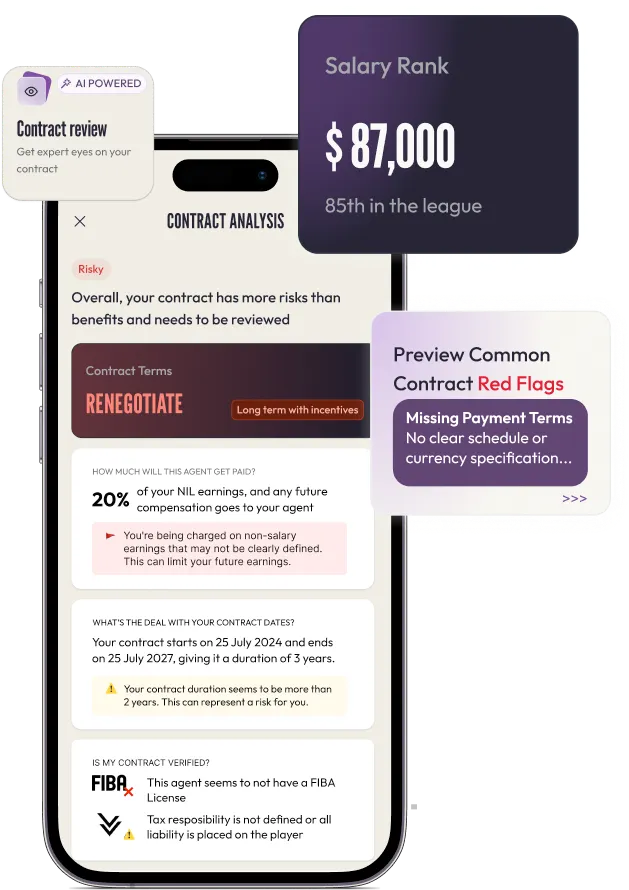
After years of watching the machine chew up athletes, Jori and Julie faced a choice: keep turning the crank… or tear it wide open. They chose the latter. That’s how WEVOLV was born. The Glassdoor for athletes. Athletes upload contracts. Compare salaries. Review agents and teams. Rate housing, payment reliability, contract terms. For the first time, athletes could negotiate from a place of power instead of blind faith. “With WEVOLV, data stops being a mystery and starts being leverage,” Jori says. No more sitting in meetings while someone slides a contract across the table and says, “It’s standard, don’t worry.” No more squinting at legal jargon, wondering if that “performance bonus” comes with strings attached. No more chasing down your own money while someone else collects a commission.
The app launched quietly. No big PR push. Just word of mouth between athletes who were tired of getting robbed. 300 athletes signed up across 14 countries. The agents who’d been coasting on information asymmetry? They started getting defensive. But WEVOLV isn’t trying to kill all agents. Just the bad ones. Too many agents in international sports fall into one of two categories: incompetent or corrupt. The incompetent ones forward contracts via email and call it “representation.” The corrupt ones act like gatekeepers - hoarding information, keeping athletes dependent, and skimming 5-10% off the top while adding little value. Those agents are about to become obsolete. The good ones? They’re not worried. They aren’t scared of informed athletes. They’re scared of competing with scammers who give the whole profession a bad name. A good agent knows which teams actually pay on time and which string you along for months. They’ve got direct lines to coaches and GMs. They negotiate performance bonuses that actually trigger and buyout clauses that don’t trap you. They understand visa complications, tax treaties, and contract law that changes depending on which league you’re in. They map your career like a chess game - knowing when to sacrifice money for playing time, when to chase the bag, when to position for a WNBA look. WEVOLV doesn’t threaten those agents. It empowers them. “I’ve had incredible agents who fought for me and earned every penny of their commission,” Jori says. “The problem is, I’ve also had agents who did none of that, and I had no way to tell the difference until it was too late.” Julie puts it bluntly. “A great agent with an informed athlete is a superpower. You skip the ‘trust me’ tap dance and get straight to opening doors.” An informed athlete knows what they’re worth. And when they sit down with a good agent? They’re not wasting time on basic questions. They’re strategizing. They’re building. They’re maximizing. WEVOLV isn’t eliminating the agent model. It’s eliminating the agents who never deserved to be agents in the first place. The Future: Athletes In ControlHere’s what happens next: 300 athletes today. 3,000 next year. Eventually, every professional athlete on the planet will know exactly what they’re worth, which agents deserve their trust, and which teams are worth their talent. Every bad agent is one viral screenshot away from obsolescence. Every exploitative team is one review away from being exposed. Every shady contract is one upload away from becoming evidence. An athlete thinking about playing in the UK versus China? They’ll get the real story from players who’ve been there. Choosing between two team offers? The community will tell them which coaches actually develop talent and which just talk. Wondering if an agent is trustworthy? The community has receipts. It’s athlete intelligence - built by players, for players. And it exists because no one else in the system has any incentive to create it. “Athletes need to take control of their own careers,” Julie says. She’s right. For decades, the sports industrial complex has extracted billions from the people actually doing the work - the athletes scoring the points, filling the arenas, generating the revenue. They got away with it because information was locked up. Because agents and teams controlled the data. Because athletes negotiated alone, in the dark, hoping the people across the table weren’t exploiting them. That era is ending. Jori Davis spent 15 years getting underpaid. Julie Wojta spent 14 years negotiating blind. Now, one by one, they’re arming athletes with the truth. “Once athletes have access to the whole game,” Jori says, “they’ll never go back.” And the people who’ve been profiting off the lies? Their clock just ran out. To follow Jori and Julie's journey, connect with Jori on LinkedIn or Instagram, and Julie on LinkedIn or Instagram. To learn more about WEVOLV, visit their website. Subscribe to mainstreet media to join 4500+ athlete-investors, founders, and operators for stories on how athletes are building wealth, influence, and legacy after the game. Follow us on LinkedIn and Instagram. Want to be featured on mainstreet media or know someone we should feature? Let’s connect. More stories like this dropping soon. Stay tuned. Check out more stories here:
for your eyes only.
|
Rabu, 18 Februari 2026
Redistributing Power: Inside Jori Davis and Julie Wojta’s Rebellion








Langganan:
Posting Komentar (Atom)
Tidak ada komentar:
Posting Komentar