| 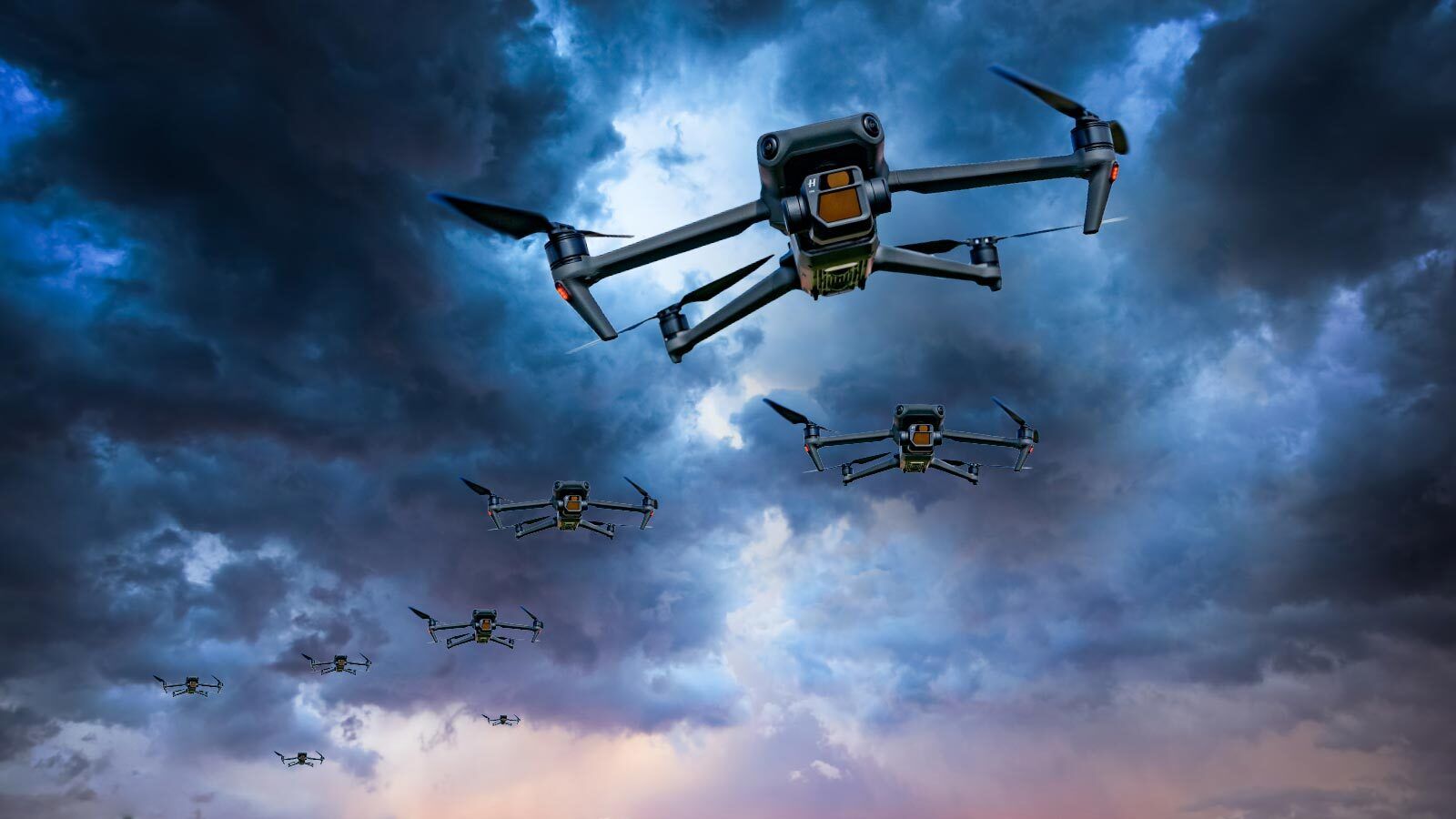 | (Source: Aerospace America) |
| Drones have become one of the most important tools in modern warfare. They have changed how states fight, how they protect their borders, and how they compete for power. Once used only for surveillance, drones are now central in many conflicts across the world. Their spread raises questions about security, strategy, ethics, and global balance. By 2025, drones are no longer a side element of war. They are a core part of military planning and national power. | The rise of drone warfare | The first major use of drones came in the early 2000s. The U.S. used drones to track terrorist groups in Afghanistan, Pakistan, and Yemen. At that time, only a few countries had the technology. Today, the situation is very different. More than 100 states use military drones, and some non-state groups use them as well. | The rise of drones is linked to lower costs, easier access to technology, and the spread of commercial drones that can be adapted for war. Even small countries and rebel groups can buy or build drones. This creates a new kind of battlefield where advanced technology is not limited to superpowers. | | Shifting military powers | Drones affect the balance of military power because they reduce the need for large, expensive equipment. In the past, air power required fighter jets, trained pilots, and big budgets. Now, countries can use drones for surveillance, bombing missions, and defensive operations at a fraction of the price. | This has changed geopolitics in several ways. Smaller states gain leverage. Countries like Ukraine have shown that drones can give middle-power states real influence on the battlefield. Large states also face new threats. Even well-equipped forces like the U.S., Russia, and China must adapt to swarms of cheap drones that can damage tanks, radars, or supply lines. There is also an increase in asymmetry. Weak actors can challenge stronger militaries by using drones that are hard to detect and easy to replace. | The result is a world where military power is more spread out and less predictable. | Drones in recent conflicts | Several wars have shown how important drones have become. | The Nagorno-Karabakh war (2020). Azerbaijan used Turkish and Israeli drones to destroy Armenian positions and armor. This changed the course of the war and proved the value of drone-based warfare. | The war in Ukraine. Ukraine and Russia both use drones for surveillance, artillery correction, and direct attacks. Small commercial drones are turned into weapons. Long-range drones also strike deep into enemy territory. This conflict shows how drones shape every part of modern war. | Middle East conflicts. Iran and its allied groups use drones for attacks in Syria, Iraq, Yemen, and the Gulf. These drones often target oil facilities, naval ships, or military bases. This raises concerns about regional escalation and the risk of miscalculation. | Africa and the Sahel. Countries fighting jihadist groups rely on drones for reconnaissance and precision strikes. Because drones can monitor large areas, they are key for counter-terrorism missions. | These examples show that drones are no longer optional. They are necessary for both offense and defense. | Strategic advantages of drones | Drones give states many advantages: | Lower political risk. Leaders can conduct operations without risking pilots' lives. Constant surveillance. Drones can stay in the air for many hours. This gives armies real-time information. Precision strikes. Some drones can hit targets with great accuracy, reducing the cost and scale of operations. Swarm tactics. Large numbers of small drones can overwhelm air defenses, creating new tactical possibilities. Flexibility. Drones range from small quadcopters to large aircraft with long-range missiles, making them useful in many situations.
| Geopolitical risks and ethical questions | The spread of drones brings problems as well. Because drones are often used in grey-zone operations, they may trigger unintended conflict. A state may deny involvement or blame a non-state group. There is also the issue of proliferation. Countries like Turkey, China, and Iran export drones widely. This increases the number of actors who can use them in war, terrorism, or covert operations. | But there are also some ethical issues related. Some drones lack advanced targeting systems, increasing the chance of mistakes and civilian casualties. Surveillance drones also raise concerns about privacy and human rights. Plus, the use of AI to guide drones raises questions about machines making life-and-death decisions. Many experts worry that fully autonomous drones could change war in dangerous ways. | Key players in the industry | Several major companies lead the global market for military drones. In the U.S., General Atomics produces the well-known MQ-1 Predator and MQ-9 Reaper. They are used for both surveillance and strike missions. Lockheed Martin and Northrop Grumman also build advanced systems. These include stealth drones and high-altitude models. | In Israel, IAI (Israel Aerospace Industries) and Elbit Systems export drones to many countries. They are known for reliable sensors and long-endurance platforms. Turkey's Baykar, maker of the Bayraktar TB2, has become a major player after its drones proved effective in several conflicts. | China's CASC and AVIC build a wide range of drones and export them to states that cannot buy Western systems. Iran's Qods Aviation and Shahed Industries produce cheaper drones that are widely used by allied groups. Together, these companies shape the global drone industry and influence how modern wars are fought. | Decoding geopolitics isn't a job. It's survival. | Joy |
|


Tidak ada komentar:
Posting Komentar