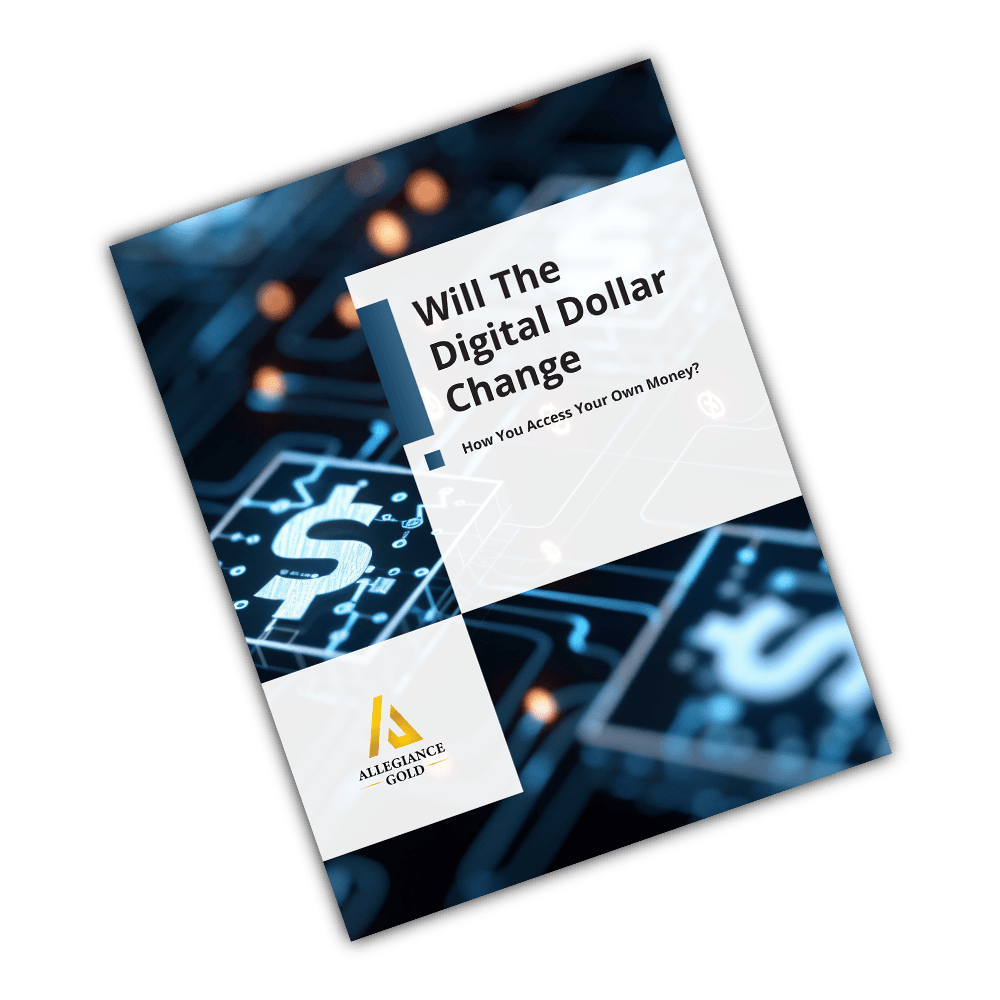
IN PARTNERSHIP WITH | | | | | | | | It's Already Here... | While America's distracted, the Fed quietly launched FedNow - a 24/7 instant payment system that's laying the foundation for a U.S. Central Bank Digital Currency (CBDC). | They claim it's about speed and convenience... | But beneath the surface, a system of surveillance and control is being built impacting our financial privacy and freedom. | Ask yourself: | If every transaction becomes digital, what happens to your privacy? | Could "programmable money" be used to limit how - or where - you spend? | This isn't hypothetical. | FedNow is already live. The rails are in place. | And even Trump - who once criticized digital currencies - is now supporting a national crypto reserve... and has adopted projects like Trump-themed tokens. | The writing is on the wall. Once this system is fully operational, opting out may no longer be an option. | That's why this free guide is so urgent. It reveals the real risks - and what you can do right now to protect your financial freedom before it's too late. | Get the guide now. While you still can. | | |
| |
| | |
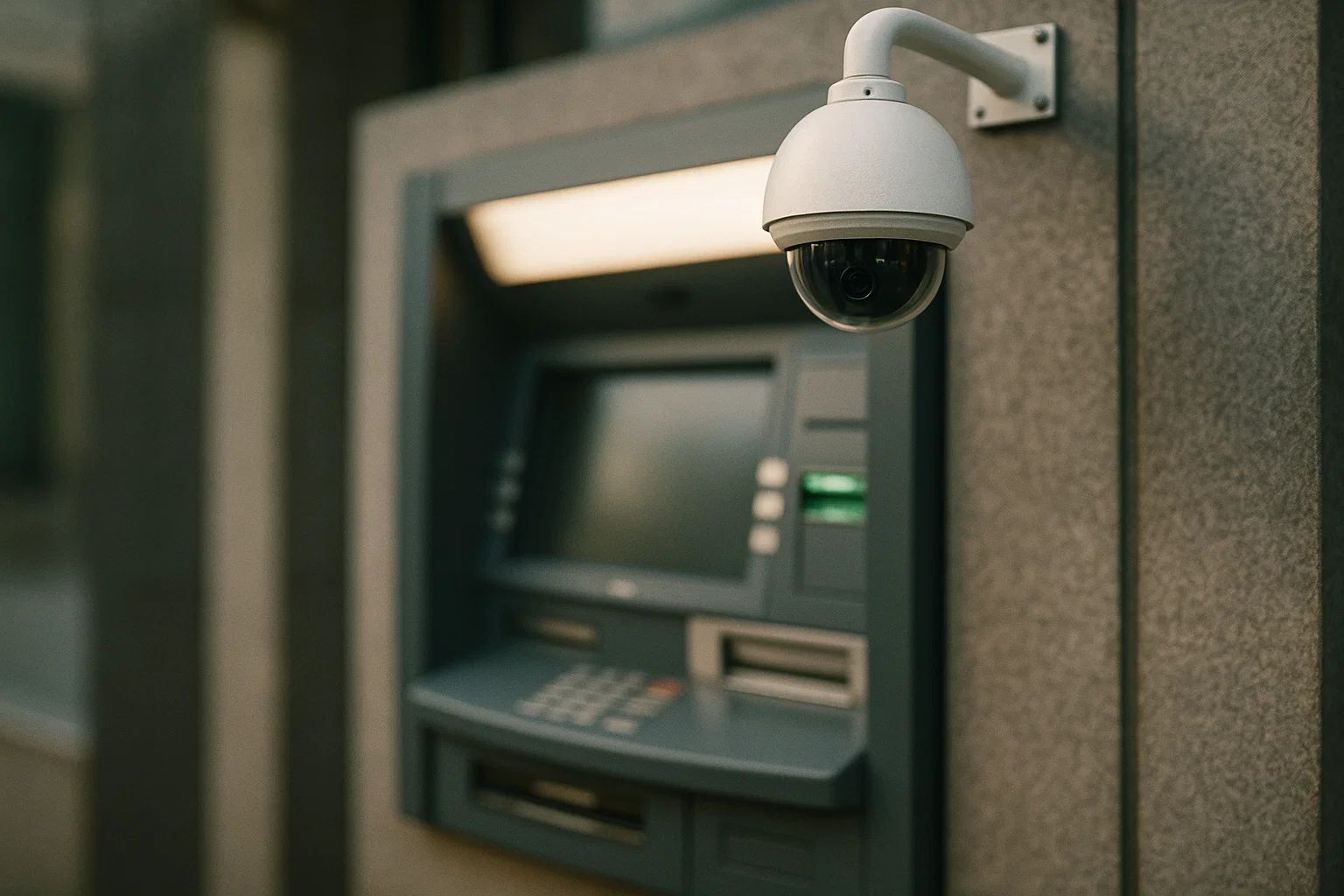
| | | When every transaction is tracked, privacy becomes the real currency at stake. As digital payments stretch across borders, industries, and household budgets, the simple act of buying a coffee or paying a friend now leaves a permanent data trail. The U.S. is racing ahead with FedNow, major corporations are retooling operations around stablecoins, and Europe is drafting a digital euro. What's gained is speed. What's lost is the old buffer of financial privacy that once belonged to anonymous cash. | A System Built for Speed | This fall marks a crucial turning point in payments infrastructure. In November, the Federal Reserve's FedNow service will raise its transaction ceiling from $1 million to $10 million, a rapid escalation driven by surging demand from businesses and financial institutions. Corporate payrolls, internal fund transfers, vendor payments, and even real estate closings are moving to this faster, always-on network as the U.S. banking sector adapts to round-the-clock commerce. | Europe, acutely aware of its dependence on U.S. payment giants, has pushed frontrunner status for central bank digital currencies. This October, the EU's digital euro "Rulebook"—a comprehensive technical and regulatory guideline—is set for publication, prepping the ground for a digital euro decision by the European Central Bank governing council. The timeline is ambitious, with pilot programs now testing offline payments, QR code usage, and strict account limits designed to address privacy and monetary stability. | | IN PARTNERSHIP WITH ALLEGIANCE GOLD | | | | The Trade-Off Beneath the Speed | The transition to digital rails comes packaged as a triumph for families and businesses. Payments settle instantly. Payroll cycles compress. Cross-border vendor payments bypass the old muddle of time zones and correspondent banks. Vendors get paid quicker, logistics flows are smoother, and families find it easier to budget when funds are available within moments of sending. | Yet every digital payment, no matter how small, feeds a growing lattice of transaction records. FedNow and competitive services log the sender, receiver, amount, and timestamp for every transfer, eliminating the ambiguity that physical cash offered. Stablecoin payments, while technically "blockchain-based," often rely on third-party wallets, exchanges, and compliance APIs that knit together a granular map of users' financial lives. In Europe, regulators are pursuing hardwired limits on individual digital euro balances and exploring features for pseudonymous small payments, but outright anonymity remains outside their current drafts. | These developments have meaningful consequences. The digital footprint from routine transactions can be sorted, sold, or subpoenaed, sometimes with little consumer oversight. Enhanced fraud management and risk controls may be a selling point for banks and regulators, but they also mean more surveillance of patterns and anomalies in everyday financial behavior. | | The Stakes for Americans | For retirees, savers, and middle-class households, the promises and pitfalls of digital money are more than abstract talking points. Retirement checks, health insurance reimbursements, and even government relief payments are now flowing onto instant rails—FedNow recently enabled U.S. federal disaster and benefits disbursements through direct bank connections, accelerating the flow of public funds during emergencies. Costs drop and speed increases, but the trade-off is a near-total visibility into when, where, and how money moves. | Savers may find unprecedented flexibility in scheduling transfers or optimizing yields between accounts on demand. Families benefit from faster bill-pay and near-instant settlement of large transactions, like home purchases or tuition payments. Still, many Americans remain uneasy about what's left behind: intimate data about spending patterns, donation histories, and even medical payments, all consolidated on networks subject to future policy changes or law enforcement inquiries. | Trust in the system is far from universal. According to industry surveys, a sizable portion of U.S. adults express concern that a purely digital dollar could be used to monitor or limit their financial autonomy. The prospect of new fees, tighter identity checks, or even potential restrictions based on transaction type remains a live issue—especially for those who have long relied on cash for privacy or simply as a way to keep financial matters personal. | | | | Key Shifts in America's Financial Landscape: | | | | What the Future Holds | The next decade will be defined less by which digital technology emerges victorious and more by how lawmakers and industry leaders navigate the tension between progress and privacy. Regulatory frameworks for instant payments, stablecoins, and central bank digital currencies are evolving at breakneck speed. The GENIUS Act, the ECB's digital euro rulebook, and upcoming U.S. regulatory actions are all attempts to strike a balance—but they do so under the intense scrutiny of privacy advocates, commercial lobbyists, and a wary public. | One risk is the growing concentration of financial data, not just in government repositories but also within corporate hands. As regulators delineate the space between public authority and private infrastructure, the practical issue may become who has access to transaction-level information and what they are permitted to do with it. The specter of algorithmic credit scoring, targeted advertising, and more intrusive forms of financial surveillance looms larger as every transaction leaves a mark. | Americans who value financial independence may soon have to reckon with a landscape where every transaction—even the most mundane—joins a massive, analyzable trove. What's on the line is not just convenience or cost, but the enduring notion of privacy—the right to spend money without a digital audience. | The era when every transaction is tracked is swiftly becoming reality. Only by recognizing what's at stake can the public shape a future where privacy is not an afterthought, but the true currency that counts. | | | Deniss Slinkins,
Global Financial Journal |
|







Tidak ada komentar:
Posting Komentar