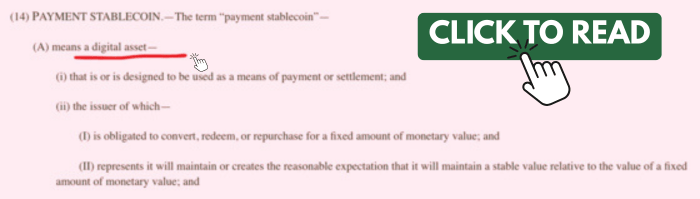
| The Digital Money Sprint | The global financial system is accelerating into a new phase — defined not by delayed settlements but by instant payments and programmable money. As stablecoins and digital currencies move into mainstream finance, the real question is shifting away from how quickly money can move; instead, it's focusing on who sets the rules, who benefits, and who is left behind. | Stablecoin Surge: Corporate Players Shape the Landscape | On September 30, Visa announced the launch of testing for businesses to fund international payments using stablecoins rather than traditional pre-deposited cash in local accounts. This marks a significant move by a legacy payments giant to build on rapid, low-friction transfers now possible through blockchain-powered digital currencies. | Meanwhile, PayPal continued its expansion with PYUSD integration onto nine blockchains, boosting multichain liquidity and enabling its $1.3 billion market-cap stablecoin to compete on an entirely new playing field. By partnering with innovative protocols like LayerZero, PayPal is not only scaling the reach of its stablecoin but also embedding itself as a crucial node in the evolving web of digital payment rails. | Circle, issuer of USDC, unveiled "Arc" blockchain infrastructure last week to further improve transaction speed, interoperability, and security for its $72.5 billion supply—25% ahead of its closest Wall Street rivals. These developments signal that digital money is no longer niche; it's a palpable force remaking how funds settle, how risk is managed, and how companies interact with end-users and each other. | But while corporations expand their grip on digital payments, new laws emerging from Washington could change the rules far more dramatically. One in particular has already stirred debate about financial freedom and control… | | | | | | IN PARTNERSHIP WITH PRIORITY GOLD | | GENIUS Act Threatens Your Financial Future | The new federal law called the GENIUS Act will essentially cancel your money. | You see, the government and its allies have found a new way to roll out programmable, trackable digital currency—without calling it a CBDC. | Now, private corporations like Circle, BlackRock, and Tether are being handed the keys to issue stablecoins… | Digital dollars backed by the U.S. government, but controlled by unelected tech and finance elites. | | This gives "them" full control to: | Legally spy on how you spend every penny… | Freeze your transactions or block your purchases… | Enforce rules on when, where, or how you can use your money… | You may think, "I'll just never touch a stablecoin." | But here's the problem... | You won't have a choice. | Once these coins are embedded into major apps, banks, payroll systems… | Even retail stores, you'll be pushed into using them by default. | And once this system goes live across the board? | Every American and every business will be trapped inside a financial system they don't control, and can't escape. | Here's the secret for protecting your money from Big Tech having full control of... | When... | How... | And even where you spend your money. | But you don't have to stand for it. | You still have time to sidestep the system—but the window is closing fast. | Get your free information kit NOW before it's too late. | Inside, you'll get the 3 secret strategies you can put in place starting today… | So "they" don't control your money tomorrow. | | |
| |
| | |
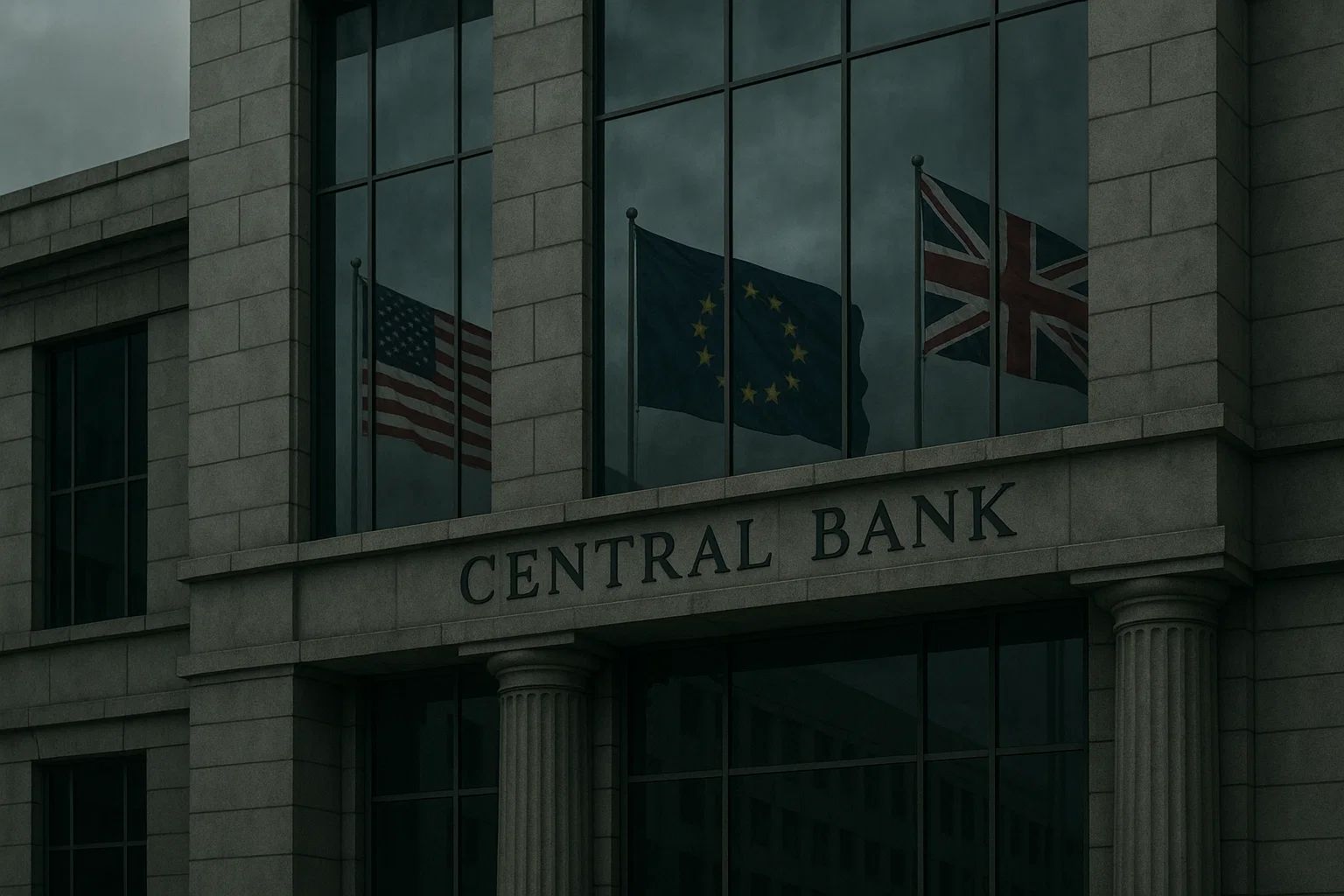
| | Bank Alliances and Euro Stablecoin Initiatives | Europe is mobilizing to counter U.S. dominance in digital payments. On September 25, nine major European banks, including ING and UniCredit, announced a joint venture to launch a euro-denominated stablecoin governed from the Netherlands and regulated under the EU's MiCAR rules. According to Fiona Melrose, UniCredit's head of strategy, "We are contributing to the need for a trusted solution for on-chain payments settlement, paving the way for a new standard in the digital era that will support Europe's economy and financial sector." The stablecoin aims for issuance in the second half of 2026 and targets cross-border efficiencies, supply chain management, and securities settlements. | The European Union's coordinated approach aligns with ECB pilot programs and regulatory frameworks that are rolling out across Germany, France, and Italy, responding to ongoing pressures to foster innovation while maintaining financial stability.
| |
Regulatory Realignment: The U.S., EU, and Beyond
| This period also saw the SEC and CFTC announce a coordinated approach to digital asset regulation, focusing on aligning product definitions, reporting standards, and capital frameworks to reduce regulatory uncertainty and promote responsible innovation in digital markets. The agencies propose expanded trading hours, streamlined reporting, and innovation exemptions for DeFi and stablecoin platforms. | Cross-Atlantic, the new Transatlantic Taskforce for Markets of the Future—announced jointly by UK and U.S. officials—seeks to reduce barriers for firms accessing capital and improve regulatory cooperation for cryptocurrency assets, with recommendations due by early 2026. Canada's central bank called for federal stablecoin regulation, echoing the broader theme of global lawmakers seeking to rein in risks while supporting adoption. | Globally, 134 countries are now piloting or developing central bank digital currencies (CBDCs), with 64 enacting regulatory frameworks as they balance innovation with privacy and financial stability. The U.S. Fed released updates on the FedNow CBDC pilot, underscoring the importance of privacy and data governance, while the ECB and Bank of England formalized digital euro and pound privacy frameworks. | Market Data: Growth, Volatility, and Competition | According to CoinDesk's September report, the stablecoin market cap hit $293 billion, extending 24 months of uninterrupted growth at a 3.44% monthly rate. Tether (USDT) still leads the market at $172 billion, but its share declined to 58.8% as competitors drew in new capital—signaling a more fragmented and competitive landscape. Recent Fed rate cuts are expected to cost stablecoin issuers roughly $500 million in annual revenue, hitting USDT and USDC most directly. | Stablecoins processed $2.3 trillion in monthly transactions globally, amplifying their role in cross-border commerce and financial services. The race to lower transaction costs—and shift payment infrastructure to programmable rails—has already pulled regional banks into a defensive posture, as observed by market analysts betting against the sector. | | Key Shifts in America's Financial Landscape: | | | | | Who Sets the Rules—And Who Moves the Money? | As code and algorithms set the pace, it's not speed alone that commands attention—it's the institutions and regulators who design the architecture and define the access. The last week makes it clear: legacy players like Visa and PayPal, innovative fintechs, large banks, and global policymakers are battling for control over rulemaking in a digital financial future. | The competitive scramble is not just for transaction throughput or cost savings; it's for the governance of programmable money itself. Whether the future is shaped by central banks, corporate issuers, or private consortiums, U.S. households now stand at a crossroads of speed, security, and oversight. | As the financial system speeds ahead at the rhythm of algorithms, the distinction—and the debate—is shifting to who gets to write the rulebook. And for those following the money, that question now matters more than ever. | | | | Deniss Slinkins,
Global Financial Journal |
|





Tidak ada komentar:
Posting Komentar